 Հայերեն
 English
 Русский
 Français
 Español
 Deutsch
 Italiano
 العربية
 中文
中文
 हिन्दी
 Polski


Blog
Georgia: A Neighboring Country Where History Meets Hospitality
Georgia: A Neighboring Country Where History Meets Hospitality Georgia is just a few hours away from Armenia, but once you cross the border, it feels as though you have entered...

UNESCO World Heritage Sites in Armenia
Armenia is often described as an open-air museum. Across the country, centuries-old churches, monasteries, and archaeological sites reflect different stages in the development of Armenian culture and architecture.
Some of these landmarks have received one of the highest forms of international recognition: inscription on the UNESCO World Heritage List.
Today, Armenia has three cultural properties on the list: the Monasteries of Haghpat and Sanahin, the Cathedral and Churches of Echmiatsin and the Archaeological Site of Zvartnots, and the Monastery of Geghard and the Upper Azat Valley.
Haghpat and Sanahin: Cultural Centers of Medieval Armenia
Located in Lori Province, Haghpat and Sanahin are among the most important examples of medieval Armenian architecture.
Both monasteries developed from the 10th century onward and served not only as religious institutions but also as important centers of education and culture. Traditions of scholarship, manuscript writing, and learning flourished here.
UNESCO recognizes Haghpat and Sanahin as important examples of the development of Armenian religious architecture between the 10th and 13th centuries. Haghpat was inscribed on the World Heritage List in 1996, and the property was extended to include Sanahin in 2000.
Echmiatsin and Zvartnots: The Heritage of Armenian Christian Architecture
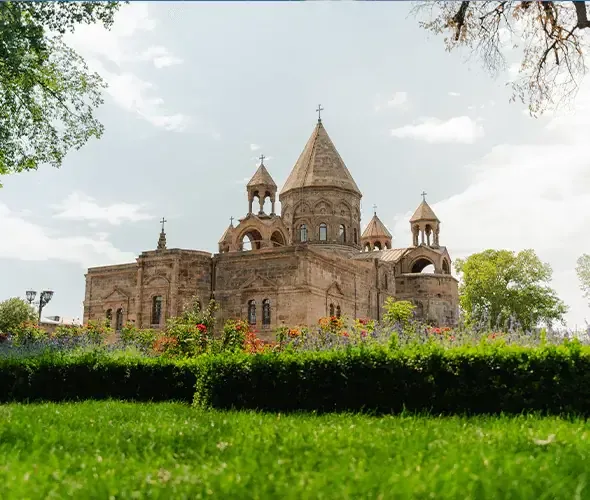
Vagharshapat occupies a central place in Armenia’s Christian history. The UNESCO World Heritage property includes the Mother Cathedral of Echmiatsin, the churches of Saint Hripsime, Saint Gayane and Shoghakat, as well as the Archaeological Site of Zvartnots.
Together, these monuments represent important stages in the formation and development of Armenian ecclesiastical architecture.
Zvartnots Cathedral, built in the 7th century, is particularly remarkable. Although it survives today in ruins, its remains still reveal the scale and architectural complexity of the original structure.
The Cathedral and Churches of Echmiatsin and the Archaeological Site of Zvartnots were inscribed on the UNESCO World Heritage List in 2000.
Geghard: Where Architecture and Nature Become One
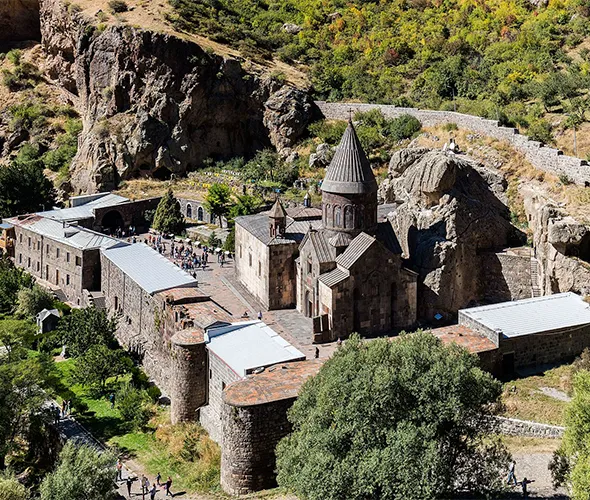
Geghard is one of Armenia’s most distinctive monastic complexes. Several of its churches and tombs are partially or entirely carved into the surrounding rock.
The monastery was historically known as Ayrivank, meaning “Monastery of the Cave,” while most of the principal structures preserved today date from the 12th and 13th centuries.
What makes Geghard particularly remarkable is its relationship with the surrounding landscape. The monastery, cliffs, and Upper Azat Valley together form an integrated cultural landscape.
The Monastery of Geghard and the Upper Azat Valley were inscribed on the UNESCO World Heritage List in 2000.
What Does UNESCO World Heritage Status Mean?
To be inscribed on the UNESCO World Heritage List, a property must possess “Outstanding Universal Value”—meaning its significance extends beyond national borders and is important to humanity as a whole.
Armenia’s three World Heritage properties represent different stages of the country’s cultural development. Haghpat and Sanahin reflect the flourishing of medieval monastic culture; Echmiatsin and Zvartnots illustrate the development of early Christian Armenian architecture; and Geghard demonstrates an exceptional relationship between architecture and the natural environment.
Armenia’s UNESCO heritage is not limited to monuments. Several Armenian traditions are also represented on UNESCO’s Intangible Cultural Heritage lists, including duduk music, khachkar craftsmanship, lavash-making culture, and Kochari.
These, however, belong to different UNESCO programs and should not be confused with sites inscribed on the World Heritage List.
Visiting Armenia’s UNESCO sites offers an opportunity to explore different periods of Armenian culture within a single journey—from early Christian architecture to the flourishing monastic traditions of the Middle Ages. They are an important part of Armenia’s history and, at the same time, part of the cultural heritage of humanity.
Blog
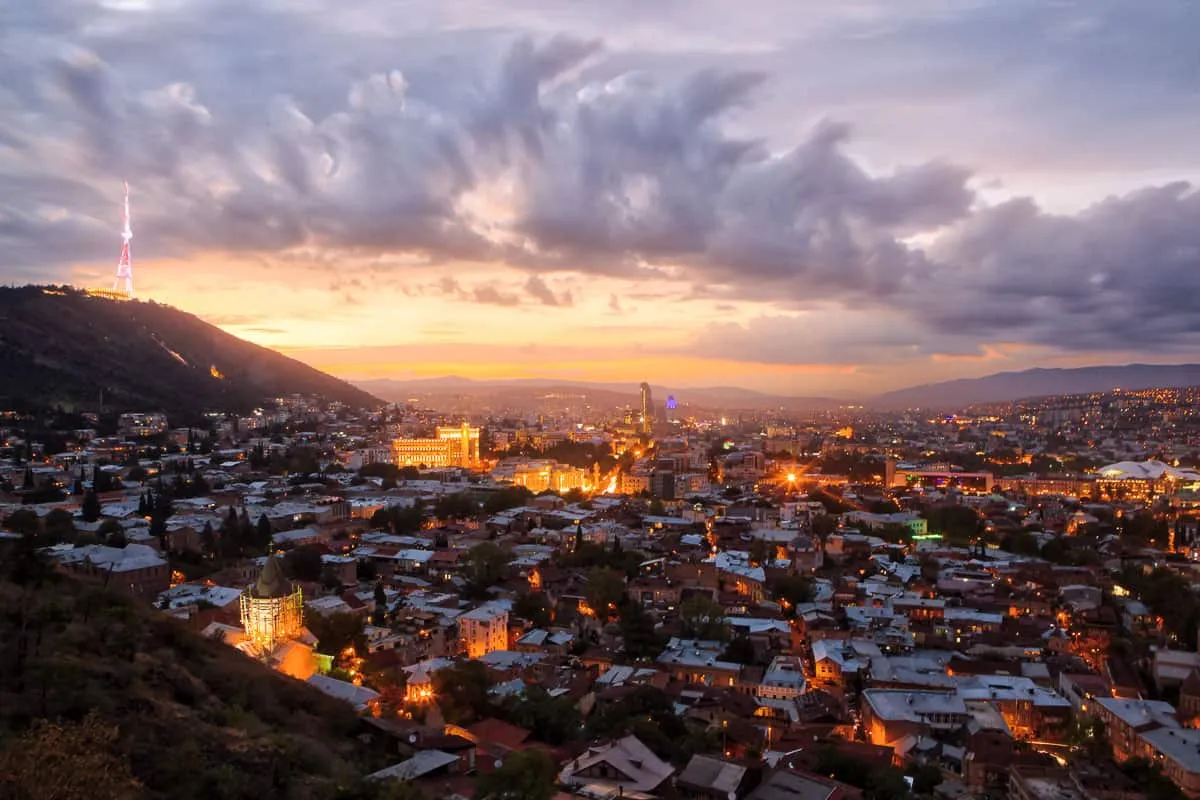
Georgia: A Neighboring Country Where History Meets Hospitality
Georgia: A Neighboring Country Where History Meets Hospitality Georgia is just a few hours away from Armenia, but once you cross the border, it feels as though you have entered...

Blog
Thailand’s Sky Lantern Festival
A Fairytale Journey in Thailand Every November, in Northern Thailand, thousands of people release lanterns into the sky at the same time. These are the Yi Peng and Loy Krathong...
Blog
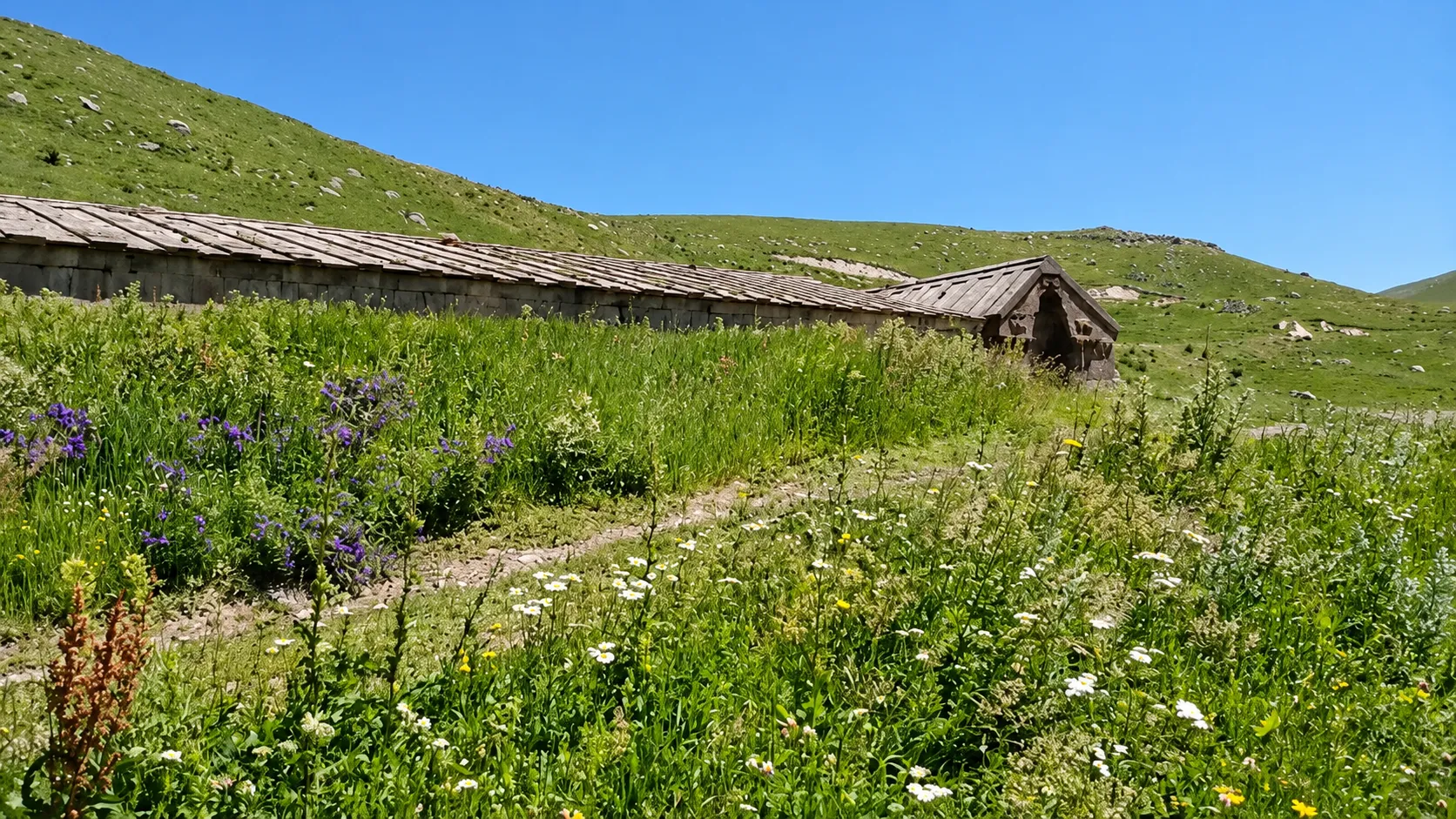
The Silk Road in Armenia: Where Can You Still See Its Traces?
The Silk Road in Armenia: Where Can You Still See Its Traces? The Silk Road was not a single road but a vast network of trade routes connecting East and West. For centuries, the...