 Հայերեն
 English
 Русский
 Français
 Español
 Deutsch
 Italiano
 العربية
 中文
中文
 हिन्दी
 Polski
Discover Armenia
Armenia: ancient culture, dramatic landscapes and genuine hospitality
From Yerevan’s creative energy to mountain monasteries and family tables, discover Armenia with a licensed local tour operator.
- Licensed local tour operator
- Travel expertise since 2011
- Local guides and multilingual service
Plan your Armenia journey
Everything to know before you go
Practical inspiration for Armenia’s landscapes, cities, culture, food and essential travel information.
About Armenia


About Armenia
Armenia sits at the crossroads of Europe and Asia, bordered by Turkey, Georgia, Azerbaijan, and Iran. Covering just under 29 743 square kilometers, it may be small, but it’s packed with breathtaking landscapes and a rich cultural legacy.
In the land where Noah’s Ark came to rest, traces of ancient history can be found at every step. It is a place where the past merges with the present, leaving behind memories that stay with us forever.

Stunning Nature and Breathtaking Landscapes of Armenia

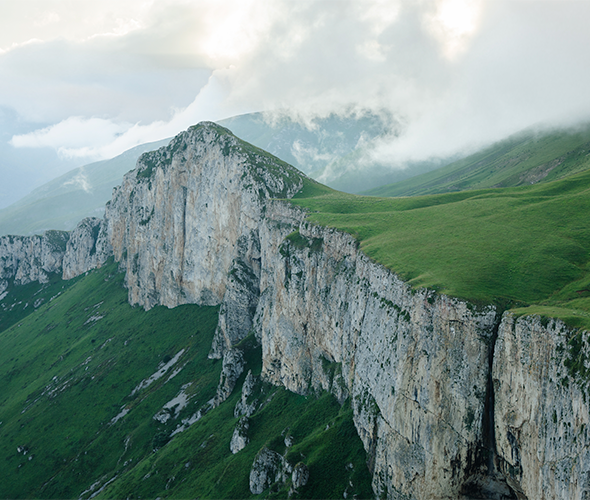
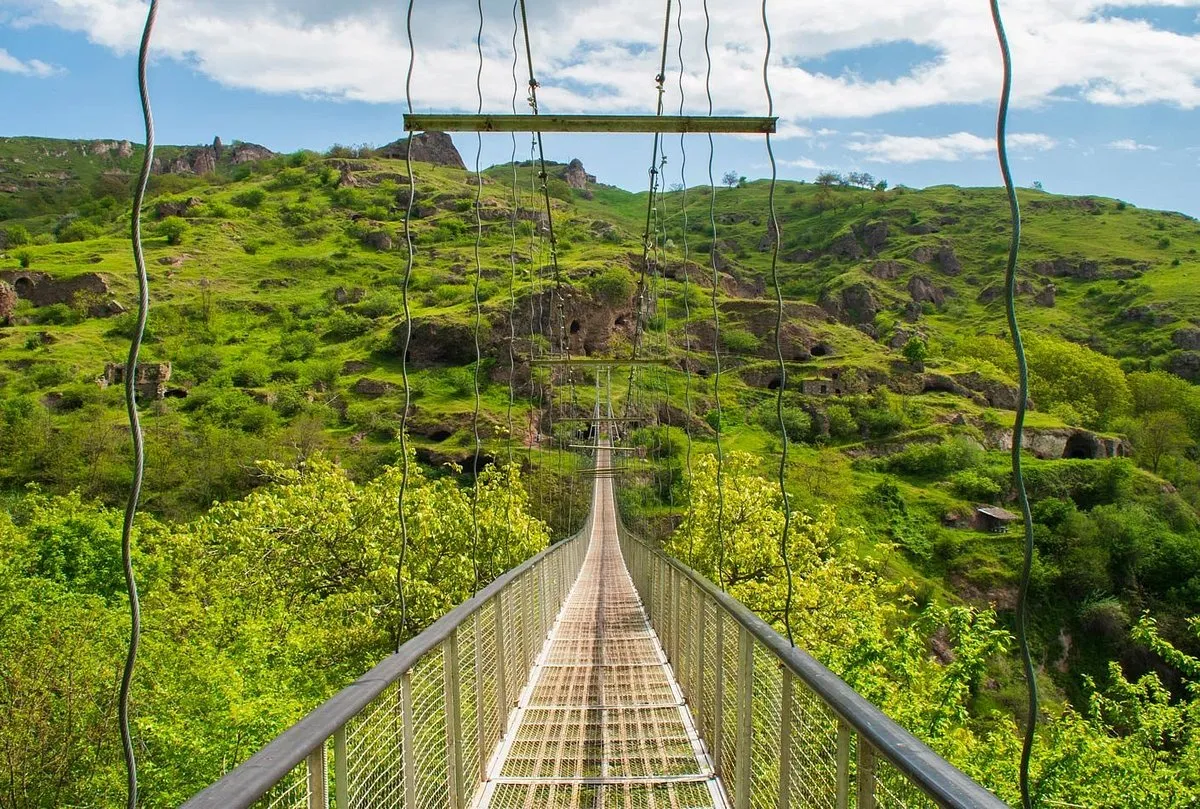
Armenia is a country of mountains—about 86% of its territory is mountainous, outdoing even Switzerland and Nepal. The nation’s highest peak is Mount Aragats, which rises to 4,090 meters. While Mount Ararat (5,137 m) now lies outside Armenia’s borders, it remains a powerful national symbol and is featured on the country’s coat of arms.
The Armenian Highlands are dotted with extinct volcanoes and dramatic mountain ranges. Lake Sevan, perched at 1,900 meters above sea level, is one of the world’s highest freshwater lakes and a must-see destination. Rivers like the Araks and its tributaries cut through the mountains, creating fast-flowing streams and scenic valleys.
Armenia is a mountainous country with a continental climate. Summers in Armenia are hot, and winters are mostly mild. In the high-mountain regions the weather is cooler. Most precipitation falls between late spring and mid-summer. Since Armenia lies at more than 1,000 meters above sea level, air temperatures in the city and in the regions can fluctuate.
Rain falls mainly from March to June. The average temperature in Yerevan ranges from 15°C to 20°C; in other regions it can be lower.
Summer is dry and long. The average daytime temperature is 25–35°C, and 20–25°C at night. In the evenings there is always a light breeze.
Autumn in Armenia is especially mild and vivid. Fruit and vegetables are abundant in autumn. Temperatures range from 20°C to 25°C at the start of the season.
Winter is mostly short. In the high-mountain regions snow lasts from December to March. Lower areas get less snow, and the snow cover remains only until mid-February.
The most favorable time to visit Armenia is spring and autumn.
Because of Armenia's high-altitude climate, there are contraindications for people with cardiovascular conditions.

Climate and Weather Patterns in Armenia: What to Expect Year-Round
Armenia has a continental climate, with hot summers and cold winters. In Yerevan, summer temperatures average around 25°C, while winters hover near 0°C. The country gets about 360 mm of rain a year.
Armenia has a population of about three million people. Ninety-eight percent of the population are Armenians; the remaining two percent are national minorities: Yazidis, Kurds, and Jews.
The state religion is Christianity. Most of the population belongs to the Armenian Apostolic Church. The country's constitution guarantees freedom of religion. There are no clothing-related restrictions in Armenia.

Top Cities to Explore in Armenia: A Traveler’s Guide
Yerevan, the capital, is perfect for those who love vibrant city life. For a taste of traditional Armenian culture, head to Gyumri—famous for its humor—and Goris, known for its unique cave dwellings. Dilijan is a haven for nature lovers, while the ancient streets and architecture of Goris invite you to step back in time.
Armenia is divided into ten provinces, each with its own dialects, customs, and landmarks.
The national currency of Armenia is the Armenian dram. You can find currency exchange points at the airport, in banks, at dedicated exchange offices, and also in some hotels.
Card payment is possible in most restaurants, cafes, hotels, and supermarkets of the capital. If you are traveling across the country, we advise carrying cash.
There are two international airports in Armenia: Shirak Airport in Gyumri and Zvartnots Airport in Yerevan. From Zvartnots Airport you can reach the city by a regularly running bus or by using a taxi service.

Popular Festivals and Rich Traditions in Armenia
Major holidays include New Year (December 31–January 2), Christmas (January 6), and Easter—celebrated as family occasions. Many Armenian festivals blend Christian and pagan traditions. For example, Trndez (Tyarnndarach) centers on bonfire rituals, while Vardavar, originally dedicated to the goddess Astghik, now marks the Transfiguration of Christ. During Vardavar, people splash water on each other in a joyful celebration of renewal.
There are three mobile operators in Armenia: Vivacell MTS, Beeline, and Ucom. Roaming works across the country. If you plan to stay in Armenia for a longer time, it is better to get a local SIM card.
In Yerevan you will have no problems with the internet. Free Wi-Fi is available in most restaurants, cafes, and shopping centers, as well as in city parks, at bus stops, and in the metro. If you already have a local SIM card, you can also activate an internet connection through your mobile operator. For this you will need a special code, which is provided when you buy the SIM card or which you can request by contacting the operator.
If you wish, you can use the postal services that operate across the whole country. HayPost is the national postal operator, offering postal, financial, and delivery services. The main post offices are located in the center, on Saryan Street and on Republic Square, opposite the government building.
Citizens of CIS and EU countries do not need a visa, but a valid passport is required. Citizens of other countries can obtain a visa when crossing the border. For more detailed information, follow this link to the official website of the Ministry of Foreign Affairs of Armenia: https://www.mfa.am/hy/visa .

Armenian Culture and Arts: Heritage, Music, and Creativity
The official language of Armenia is Armenian, but a large part of the population also speaks Russian and English. A tourist can therefore feel secure and, if any questions arise, ask a passer-by.
In the city you will find many small eateries, cafes, and restaurants with a high level of service.
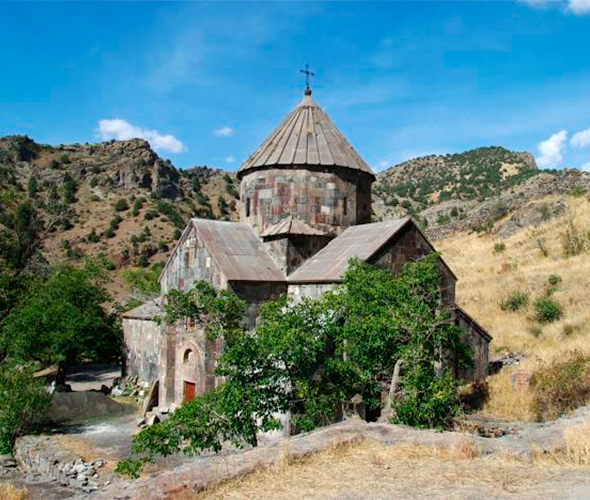
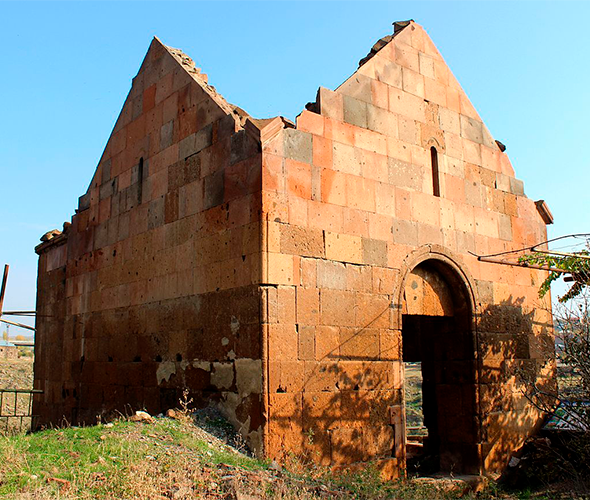
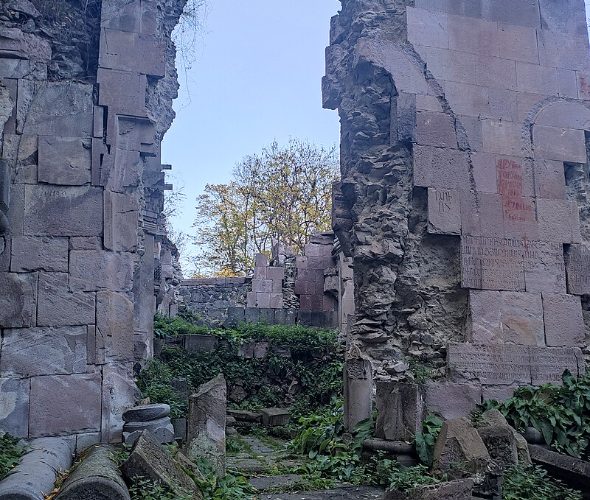
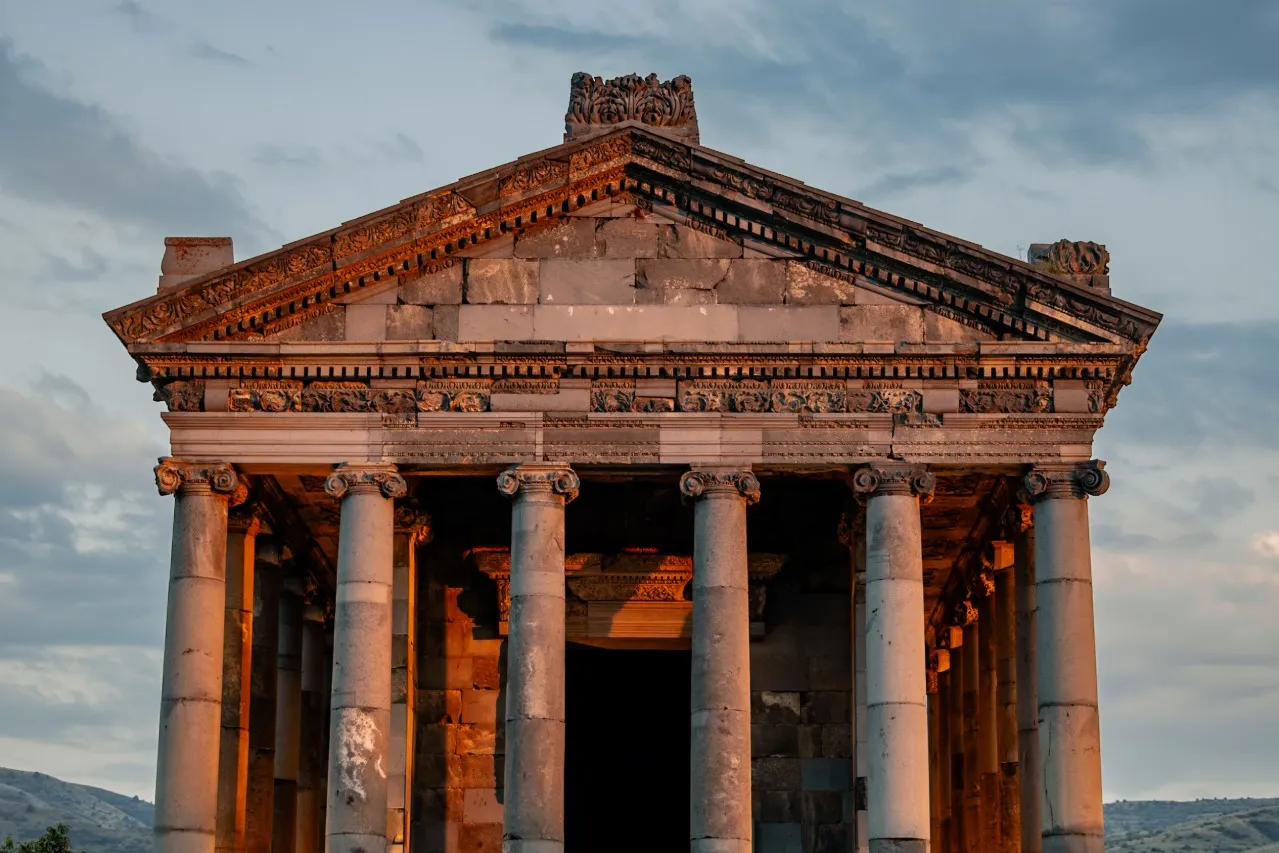
Armenian culture is a tapestry of science, art, crafts, language, literature, architecture, sculpture, and music. The country is renowned for its distinctive churches, khachkars (intricately carved cross-stones), and ancient fortresses—symbols of national identity.
Armenian literature dates back to the 5th century, following the creation of the Armenian alphabet by Mesrop Mashtots. Folk tales, epics, and songs have been passed down through generations.
Music holds a special place in Armenian life. Komitas, a legendary composer and ethnomusicologist, collected and preserved traditional Armenian music. Modern composers like Tigran Mansurian, Aram Khachaturian, and Arno Babajanyan have brought Armenian sounds to the world stage.

Religion in Armenia: History, Beliefs, and Spiritual Life
The following types of transport operate in Armenia:
Metro: the Yerevan Metro has one line and six stations. A ride costs 100 drams.
Bus/minibus: within the city a ride costs 100 drams.
For intercity trips the price depends on the distance.
Taxi: taking a taxi is very common in Armenia and is relatively inexpensive. You can order a taxi by phone, as there are many offices in the city, or through the mobile apps “Yandex.Taxi”, “UTAXI”, and “GG”.
Armenia was the first country to adopt Christianity as a state religion, back in 301 AD. The nation is home to several UNESCO World Heritage sites, such as the Geghard Monastery, Etchmiadzin Cathedral, Sanahin and Haghpat monasteries, and Zvartnots.

Traditional Armenian Cuisine: Must-Try Dishes and Culinary Delights
Armenian cuisine has a history of millennia. It belongs to the culinary cultures of the Middle East. Meat and fresh vegetables are an integral part of it. Armenians use many herbs both when serving dishes and during cooking itself.
Armenia has many restaurants where you can try not only Armenian but also Georgian, European, and Eastern cuisine.
Armenia is famous not only for its culture as a whole, but especially for its brandy, wine, and fruit. So tourists bring home from Armenia not only traditional souvenirs but also pieces of the national way of life and culture.
• Alcoholic drinks: wine and brandy. One person may carry out no more than two liters.
• Cheese, which you can find at the city markets. The choice is quite large. The cheeses are made in different regions of Armenia, and you will have the chance to taste before buying.
• Nuts and dried fruit.
• Stained-glass and handmade tableware with national ornaments.
• Handmade bags, purses, tablecloths, and scarves decorated with national ornaments.
One of the best places to buy souvenirs is the Vernissage flea market, located on Khanjyan Street near Republic Square.
Armenian cuisine is hearty and flavorful, shaped over millennia. Staples include meats, vegetables, grains, herbs, and dairy. Signature dishes include dolma, khorovats (barbecue), khash, gata (sweet pastry), aveluk soup, and jingalov hats (herb-stuffed flatbread).

Currency in Armenia
The Armenian dram (AMD) is the official currency. Armenian is the official language, but Russian and English are also widely spoken, especially in urban areas.
Armenia celebrates both secular and Christian holidays. Shops, markets, restaurants, and shopping centers stay open on holidays. Armenia's national holidays include:
Christmas and New Year
New Year is one of the brightest and most atmospheric holidays. In the run-up to New Year the whole city is decorated with bright garlands and lights: the capital overflows with festive spirit.
Every year Yerevan hosts New Year events, concerts, children's shows, and holiday fairs. On Northern Avenue you will find small New Year stalls where you can buy festive souvenirs and tableware, try national food, and even receive a treat.
Victory and Peace Day — May 9
The holiday commemorates the victory of the Soviet people's army in the Great Patriotic War. On May 9, festive events and processions are traditionally held in Victory Park in Yerevan, usually attended by servicemen of the Armenian Armed Forces, the President of Armenia, veterans, and regular soldiers. Award ceremonies are also often held on this day.
Children's Day — June 1
On this day many events with cartoon characters are organized in the city streets. Various games and educational excursions for children are held. A march often takes place. In some places, such as the Yerevan Zoo, entry is free for children on this day. June 1 is a wonderful day to spend unforgettable time in Yerevan with your child.
Armenia also celebrates other holidays:
Republic Day — May 28
Army Day — January 28
International Women's Day — March 8
Labor Day — May 1
Constitution Day — July 5
April 24, the day of remembrance of the victims of the Genocide, is also a non-working day. On this day, to pay tribute to the memory of the victims, people visit the Tsitsernakaberd memorial, where on the evening of April 24 a procession goes from the central Baghramyan Avenue to the memorial.
MAY ALSO BE OF INTEREST
Vardavar
A movable feast (June 28 – August 28)
Vardavar is considered a Christian holiday in honor of the Transfiguration of the Lord, but its roots go far back to pagan times. In pre-Christian times this holiday was associated with Astghik, the goddess of love, and Vahagn, the god of war. The goddess spread her love by giving people roses and sprinkling water, while Vahagn fought evil to protect that love.
The main theme of the day is water. On this day the whole country is in water. Everyone splashes water on each other in the streets, from balconies, and even from car windows. It is advisable to leave your phone, electronics, and important documents at home or put them in a waterproof folder, because once outside you are unlikely to stay dry.

Armenia Today
With a population of about 3 million, Armenia’s capital Yerevan is a vibrant blend of ancient history and modern life—a place where the past and future meet. Armenian is the official language, but Russian and English are also widely spoken.
Sheep Shearing Festival
The festival is held on June 8 in the village of Khot in Syunik Province. The program includes a shearing competition, an exhibition, a fair, and concert performances. In addition, many people from neighboring villages and towns present national dishes and handmade souvenirs with sheep imagery. Master classes are also held.
Erebuni–Yerevan
The official opening ceremony takes place at the Yerevan Academic Opera and Ballet Theatre, and the closing at Hrazdan Stadium. On this day the capital hosts exhibitions and concerts dedicated to Yerevan, as well as a theatrical performance featuring the great Armenian king Argishti I on the square near the Erebuni Museum. The day ends with festive fireworks on Republic Square.
Areni Wine Festival
The festival is held in the village of Areni in Vayots Dzor Province, where the world's oldest winery was discovered in 2010. The festival brings together homemade wines produced by the residents of this and neighboring villages, and winery-made wines. The program includes wine making, tasting, treats, and a fair of wines and other farm products.
Every year Armenia also hosts the Tolma Festival on July 10 in Sardarapat, Armavir Province, and the Gata Festival in September in the village of Khachik, Vayots Dzor Province.

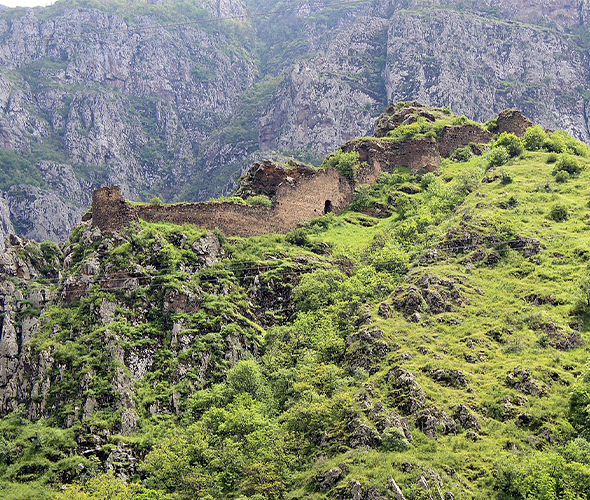
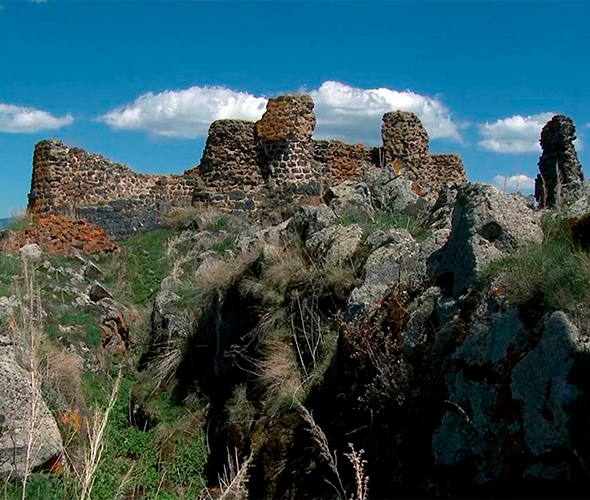
See it for yourself
Everything on this page is a place you can stand in. Here are a few of them.