 Հայերեն
 English
 Русский
 Français
 Español
 Deutsch
 Italiano
 العربية
 中文
中文
 हिन्दी
 Polski


Blog
New Year in Georgia: What to Do and Where to Go
New Year in Georgia: What to Do and Where to Go? Georgia is only a few hours’ drive from Armenia, but in winter it becomes a destination all its own: snow-covered mountains, str...

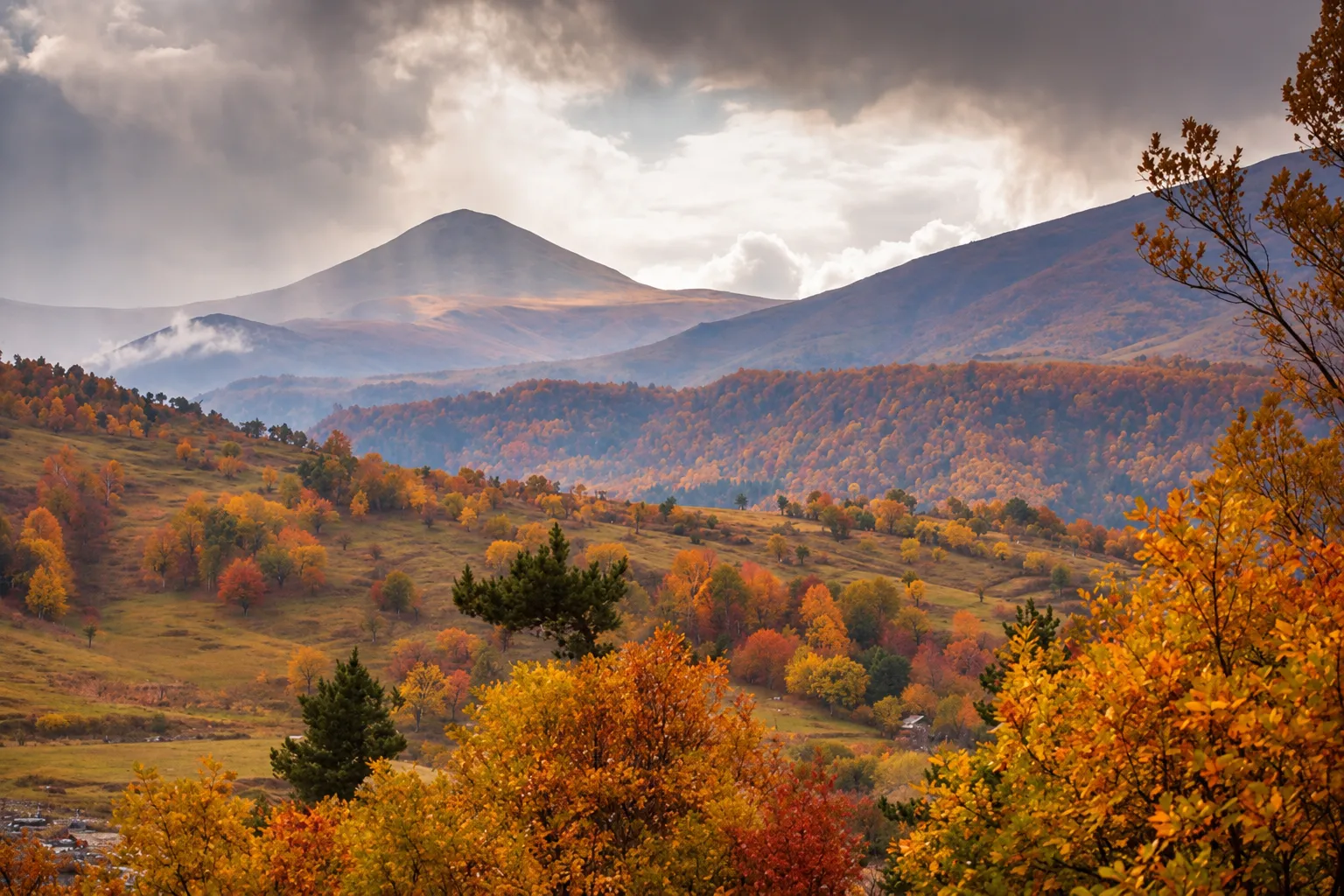
Tavush: Autumn Forests and Medieval Monasteries
Lori: Gorges, Fortresses, and Medieval Armenia
Vayots Dzor: From Vineyards to Noravank
Syunik: The Colors and History of Southern Armenia
Aragatsotn: Autumn Landscapes at the Foot of Mount Aragats
Autumn is one of the most beautiful seasons for traveling around Armenia. The summer heat gradually fades, nature changes its colors, and historical monuments and old settlements appear in an entirely different setting. From forested mountains to vineyards, autumn has its own colors, atmosphere, and story in each region of Armenia.
If you want to combine nature, culture, and history, here are five regions of Armenia that are especially worth discovering in autumn.
If there is one place in Armenia where you can experience the full variety of autumn colors, Tavush is certainly among the best choices. From late September onward, the region’s forests gradually turn shades of yellow, orange, red, and brown.
But Tavush is about more than nature. It is home to Haghartsin and Goshavank, two important monuments of Armenian medieval architecture. Haghartsin Monastery, which largely developed between the 10th and 13th centuries, is particularly impressive when surrounded by autumn-colored forests. Goshavank, meanwhile, is closely associated with Mkhitar Gosh, the renowned medieval Armenian thinker, fabulist, and legal scholar.
Autumn is also a wonderful time to visit Dilijan, stroll through its historic quarter, and explore the surrounding forest trails.
What to see: Dilijan, Haghartsin, Goshavank, Parz Lake, and the surroundings of Ijevan.
Autumn in Lori offers some of Armenia’s most impressive landscapes. During this season, the Debed Gorge, forested slopes, and small settlements take on an entirely different appearance.
One of the region’s defining features is the combination of natural scenery and historical heritage. Lori is home to the monastic complexes of Haghpat and Sanahin, which were important spiritual, educational, and cultural centers during the Middle Ages. Both are included on the UNESCO World Heritage List.
Another fascinating stop for exploring Lori’s history is Akhtala Monastery, known for its well-preserved frescoes, as well as Lori Fortress, which offers a glimpse into the region’s medieval past.
The autumn landscape complements this historical setting, making the journey particularly colorful.
What to see: Haghpat, Sanahin, Akhtala, Lori Fortress, and Debed Gorge.
In Vayots Dzor, autumn is first and foremost the season of grape harvesting, wine, and mountain landscapes painted in warm colors. It is one of Armenia’s best-known wine regions, where winemaking traditions stretch back thousands of years.
Archaeological discoveries around Areni provide evidence of the region’s ancient winemaking traditions. The Areni-1 Cave contains a wine production complex dating back approximately 6,100 years, making Vayots Dzor particularly fascinating for travelers interested in history.
One of the region’s most recognizable landmarks is Noravank, a 13th–14th-century monastic complex surrounded by dramatic reddish cliffs. In the softer light of autumn, the surrounding landscape becomes even more expressive.
What to see: Areni, Areni-1 Cave, Noravank, Yeghegnadzor, and the surrounding winemaking communities.
Syunik is beautiful throughout the year, but in autumn its mountainous landscapes take on a distinctive character. Winding roads, deep gorges, and forested areas make the journey itself part of the experience.
The region’s main cultural symbol is Tatev Monastery. Founded in the 9th century, Tatev became one of medieval Armenia’s most important spiritual and educational centers, and the University of Tatev operated here during the 14th and 15th centuries.
Syunik also offers the opportunity to discover Khndzoresk with its historic cave settlement, the distinctive architecture of Goris, and the mountainous landscapes of Zangezur.
Autumn is particularly suitable for exploring the region at a relaxed pace, when the intense summer heat has passed and winter weather has not yet arrived.
What to see: Tatev, Goris, Khndzoresk, Shaki Waterfall, and Sisian.
The landscape of Aragatsotn differs significantly from the forested autumn scenery of Tavush and Lori. Here, open spaces, mountains, and golden-yellow fields dominate the landscape, creating a striking backdrop for historical monuments.
One of the region’s best-known historical sites is Amberd, a medieval fortress complex located on the slopes of Mount Aragats. Nearby stands the 11th-century Vahramashen Church. Mountain weather can change quickly here in autumn, but on clear days the surrounding views are remarkable.
Saghmosavank is another destination worth visiting in Aragatsotn. Built on the edge of the Kasagh Gorge, the monastery is especially picturesque in autumn, when the surrounding fields and gorge take on seasonal colors.
What to see: Amberd, Vahramashen Church, Saghmosavank, Hovhannavank, and the foothills of Mount Aragats.
The choice depends on the kind of autumn experience you are looking for. Tavush and Lori are among the best options for colorful forests, Vayots Dzor for discovering wine culture and history, Syunik for a longer journey filled with impressive natural and cultural landmarks, and Aragatsotn for open mountain landscapes and medieval monuments.
Autumn in Armenia is about more than beautiful scenery. Behind every road lies a story—from medieval monasteries and fortresses to winemaking traditions that date back thousands of years.
And that is one of the greatest advantages of traveling through Armenia in autumn: during a single journey, you can experience not only the changing colors of nature but also the history and culture that have developed within these landscapes over centuries.

Blog
New Year in Georgia: What to Do and Where to Go
New Year in Georgia: What to Do and Where to Go? Georgia is only a few hours’ drive from Armenia, but in winter it becomes a destination all its own: snow-covered mountains, str...
Blog
Georgia: A Neighboring Country Where History Meets Hospitality
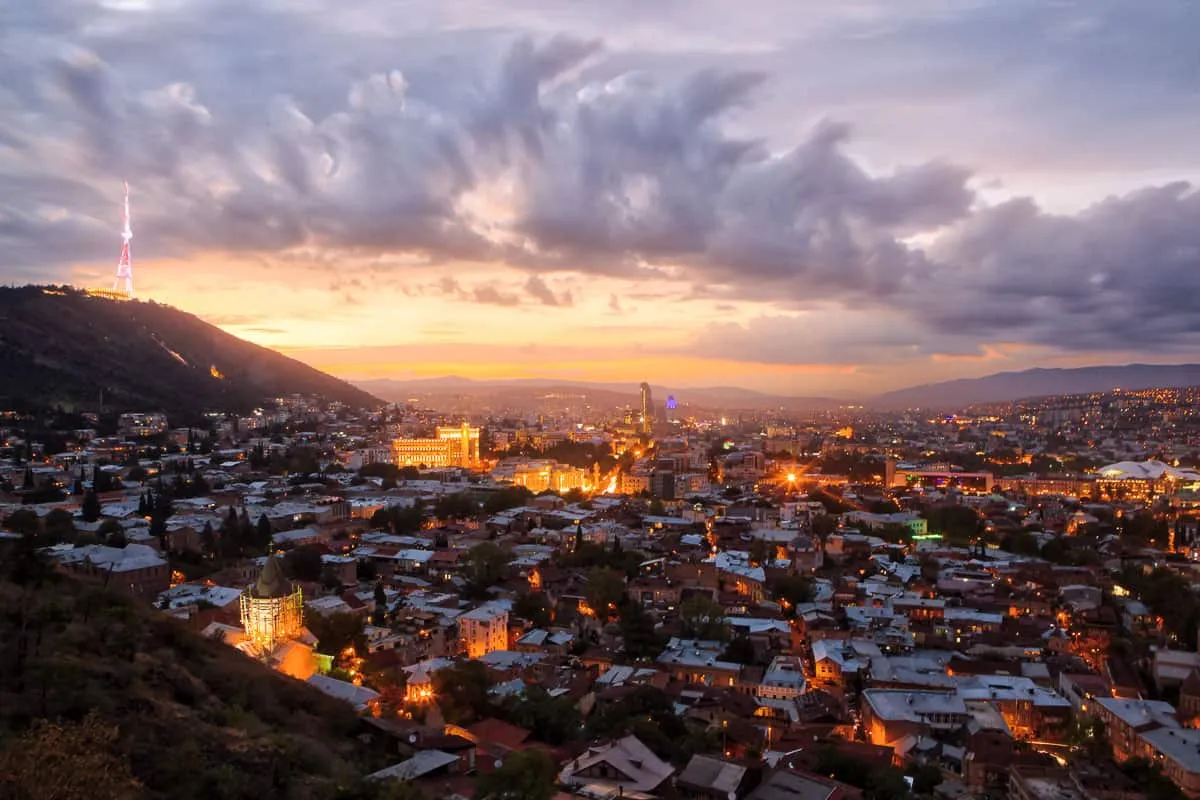
Georgia: A Neighboring Country Where History Meets Hospitality Georgia is just a few hours away from Armenia, but once you cross the border, it feels as though you have entered...

Blog
Thailand’s Sky Lantern Festival
A Fairytale Journey in Thailand Every November, in Northern Thailand, thousands of people release lanterns into the sky at the same time. These are the Yi Peng and Loy Krathong...


