 Հայերեն
 English
 Русский
 Français
 Español
 Deutsch
 Italiano
 العربية
 中文
中文
 हिन्दी
 Polski
Blog
Georgia: A Neighboring Country Where History Meets Hospitality
Georgia: A Neighboring Country Where History Meets Hospitality Georgia is just a few hours away from Armenia, but once you cross the border, it feels as though you have entered...

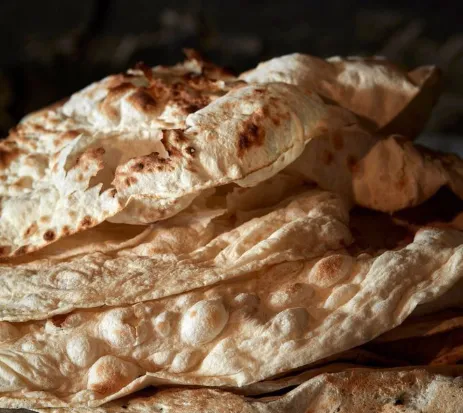

When Armenian cuisine is discussed, lavash is one of the first foods that comes to mind. Yet it is much more than bread: lavash is an important symbol of Armenian culture, family, hospitality, and national identity, and it has accompanied the Armenian people for thousands of years.
The culture of breadmaking in the Armenian Highlands developed thousands of years ago. Tonirs, millstones, and grain remains discovered during archaeological excavations indicate that bread was being prepared here as early as the third and second millennia BCE.
Some scholars also consider Armenia to be one of the cradles of wild wheat, further highlighting the ancient history of Armenian breadmaking.
There are several explanations for the origin of the name “lavash,” but the most widespread theory connects it with the way the bread is prepared. The dough is rolled out very thin, stretched, and “pulled well”—lav kash in a popular Armenian interpretation—which is said to have given rise to the name.
One of lavash’s greatest advantages is the way it can be stored. It can be kept dry for a long time and simply moistened before use. After a few minutes, lavash becomes soft and fresh again.
For centuries, this quality made lavash a staple bread for travelers, soldiers, and Armenian families.
In Armenian families, baking lavash has always been more than a household task. Women would gather around the tonir, knead the dough together, sing, talk, and pass the secrets of breadmaking from one generation to the next.
Lavash is made with just four main ingredients—flour, water, salt, and sourdough starter—and is baked on the wall of a tonir in only 30–60 seconds.
For Armenians, lavash has long been a symbol of prosperity and abundance. The beautiful tradition of placing lavash on the shoulders of newlyweds at weddings is still preserved today. It symbolizes a bread-filled and happy family life.
Armenian speech has also preserved many proverbs expressing respect for bread, showing how important a place it has held in the life of the people.
In 2014, Armenian lavash was included in UNESCO’s Representative List of the Intangible Cultural Heritage of Humanity. This recognition applies not only to lavash itself, but also to the traditions, knowledge, and family culture preserved in Armenia from generation to generation.
Today, lavash remains an inseparable part of the Armenian table. It brings together thousands of years of history, national traditions, and the culture of Armenian hospitality, representing Armenia in different corners of the world.
If you would like to become more familiar with Armenian cuisine, taking part in the lavash-baking process or tasting lavash freshly taken from a tonir can be an experience that stays in your memory for a long time.
Blog
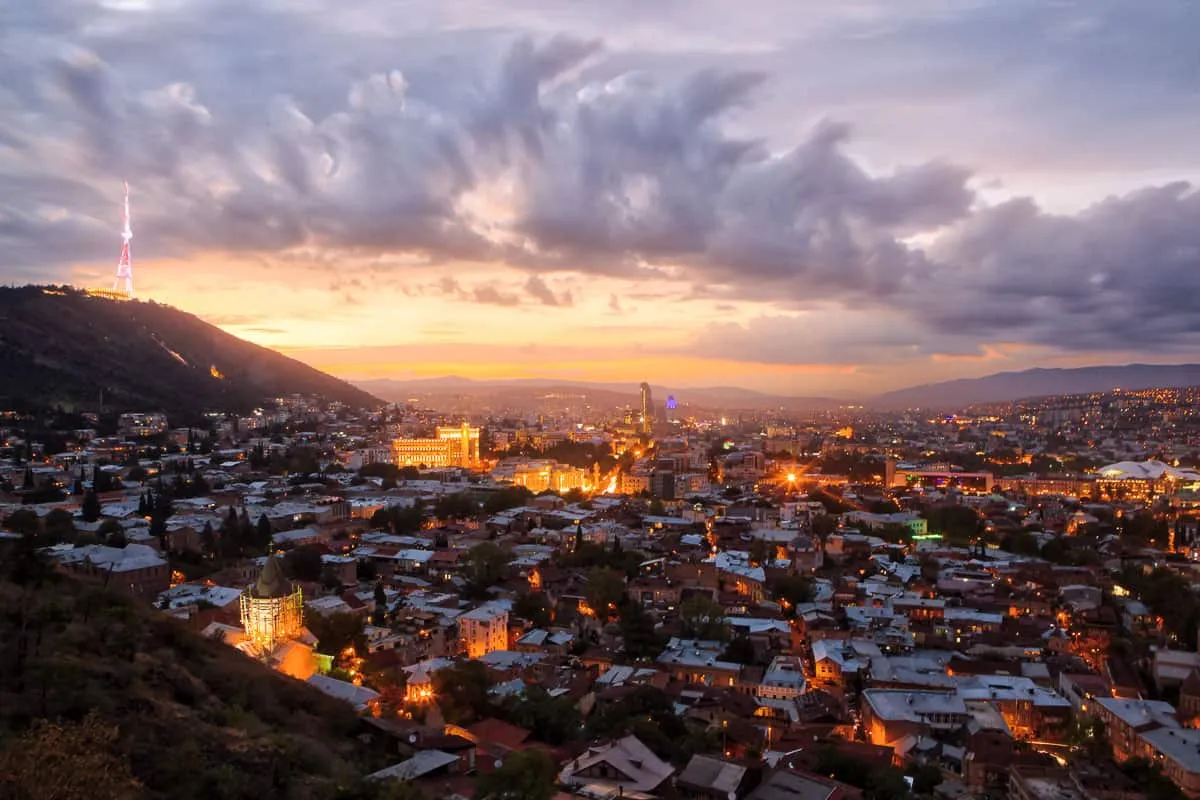
Georgia: A Neighboring Country Where History Meets Hospitality
Georgia: A Neighboring Country Where History Meets Hospitality Georgia is just a few hours away from Armenia, but once you cross the border, it feels as though you have entered...

Blog
Thailand’s Sky Lantern Festival
A Fairytale Journey in Thailand Every November, in Northern Thailand, thousands of people release lanterns into the sky at the same time. These are the Yi Peng and Loy Krathong...
Blog
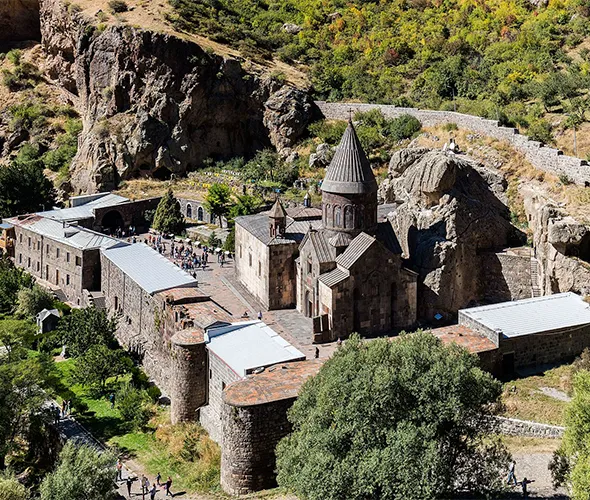
UNESCO World Heritage Sites in Armenia
UNESCO World Heritage Sites in Armenia Armenia is often described as an open-air museum. Across the country, centuries-old churches, monasteries, and archaeological sites reflec...