 Հայերեն
 English
 Русский
 Français
 Español
 Deutsch
 Italiano
 العربية
 中文
中文
 हिन्दी
 Polski
Blog
UNESCO World Heritage Sites in Armenia
UNESCO World Heritage Sites in Armenia Armenia is often described as an open-air museum. Across the country, centuries-old churches, monasteries, and archaeological sites reflec...

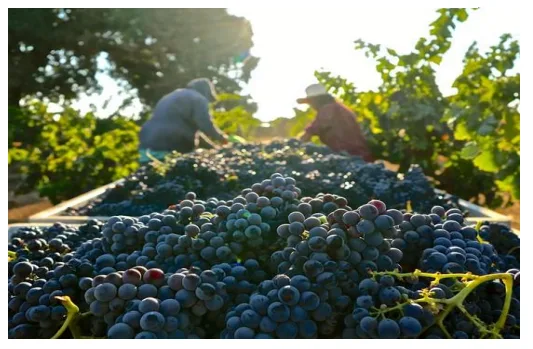
Why Is Vayots Dzor Armenia’s Leading Wine Tourism Destination?
Armenia has winemaking traditions across several regions, but Vayots Dzor holds a special place on the country’s wine map. Here, thousands of years of history come together with ancient indigenous grape varieties, high-altitude vineyards, and a winemaking culture that continues to thrive today.
For wine lovers, visiting Vayots Dzor is much more than another tasting experience. It is an opportunity to discover, within a single journey, where the region’s wine story began, how its traditions have been passed down through generations, and what Armenian winemaking looks like today.
More Than 6,000 Years of Winemaking History
One of the most important pieces of evidence of Vayots Dzor’s ancient wine culture was discovered in the Areni-1 Cave, near the village of Areni. Archaeological excavations uncovered a winemaking complex dating back more than 6,100 years.
A grape-pressing platform, fermentation vessels, clay containers, and grape remains indicate that wine was already being produced here in an organized manner during the Copper Age.
This discovery is particularly significant for wine tourism. In Vayots Dzor, wine history is not confined to a museum display. Travelers can visit the archaeological site and then explore modern vineyards and taste wines produced in the same region today.
In this way, thousands of years of history become a tangible part of the travel experience.
Areni: The Grape That Became a Symbol of the Region
At the heart of Vayots Dzor’s winemaking identity is the Areni grape. Areni Noir, also known as Sev Areni, is one of Armenia’s best-known indigenous red grape varieties and is particularly associated with Vayots Dzor.
The wines produced from Areni can vary depending on vineyard location, harvest conditions, and the winemaker’s chosen methods. Nevertheless, Areni has become one of the varieties through which contemporary Armenian wine has gained greater recognition in the international wine world.
The region is also home to other indigenous varieties, including the white grape Voskehat, Khatun Kharji, and others. Growing interest in these varieties is important not only for winemaking but also for preserving cultural heritage. Each indigenous grape carries within it a story of the landscape and the generations of people who have cultivated it.
High-Altitude Vineyards and a Distinctive Terroir
Good wine cannot be separated from the place where its grapes are grown, and one of the defining features of Vayots Dzor’s winemaking is its distinctive terroir.
Many vineyards in the region are situated at elevations of approximately 1,200 to 1,800 meters above sea level. Volcanic and mineral-rich soils, a dry climate, abundant sunshine, and high-altitude conditions create a distinctive environment for growing grapes.
The difference between daytime and nighttime temperatures helps grapes ripen while retaining acidity and aromatic balance. As a result, the same grape variety grown in Vayots Dzor can develop characteristics closely connected to this mountainous environment.
For wine enthusiasts, this creates an opportunity not only to taste wine but also to understand its origins by seeing the soil, climate, and landscape that have shaped what ultimately appears in the glass.
Wine as Part of Local Culture
In Vayots Dzor, winemaking is more than an industry. In Areni and the surrounding communities, growing grapes and making wine at home have long been part of family life.
Knowledge has been passed from generation to generation, from vineyard care and harvesting to winemaking and storage. As a result, travelers can experience the region’s wine culture not only through larger producers. Small and family-run wineries also provide opportunities to meet people whose family histories are closely connected to the vineyards.
This relationship is particularly visible during the Areni Wine Festival, when wine is brought together with Armenian music, dance, cuisine, and traditional crafts. The festival has become one of the best-known events showcasing the region’s wine culture.
From Ancient Traditions to Modern Winemaking
Part of Vayots Dzor’s appeal lies in the way it connects the past with the present.
On the one hand, the region is home to one of the world’s oldest known winemaking complexes. On the other, modern wineries operate here using contemporary technologies, exploring the potential of indigenous grape varieties, and producing Armenian wines for international markets.
Some winemakers are also returning to traditional methods, including the use of clay vessels known as karases, while combining them with contemporary winemaking knowledge.
This contrast makes Vayots Dzor particularly fascinating for wine enthusiasts. Within a single day, travelers can journey through thousands of years of winemaking history—from an archaeological wine production site to a modern wine cellar.
Why Vayots Dzor?
Armenia has several other important wine-producing regions, including Ararat, Armavir, Aragatsotn, and Tavush. Therefore, what distinguishes Vayots Dzor is not simply the fact that excellent wine is produced here.
Its strength lies in the complete experience.
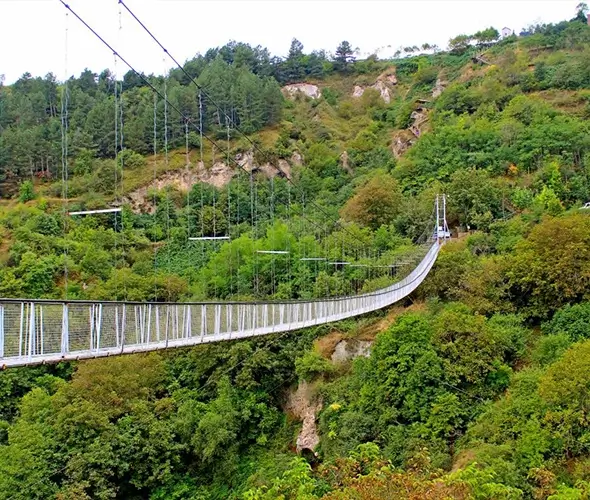
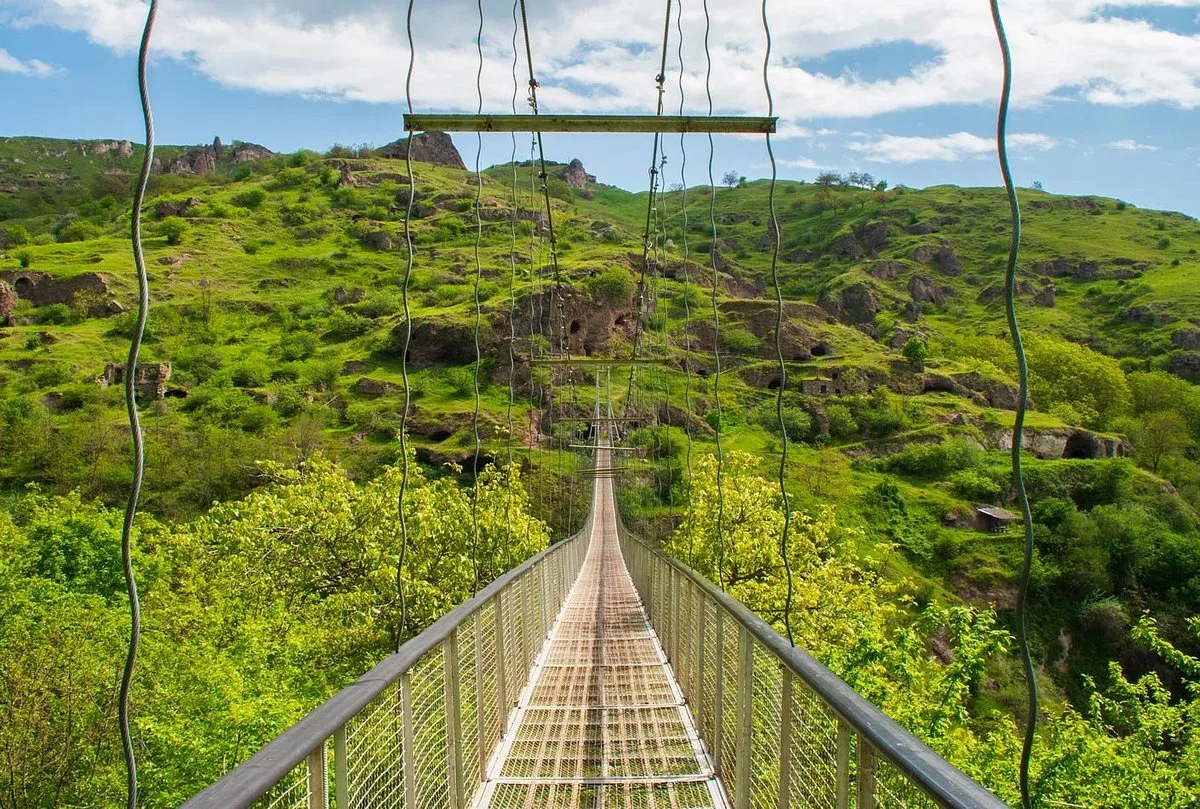
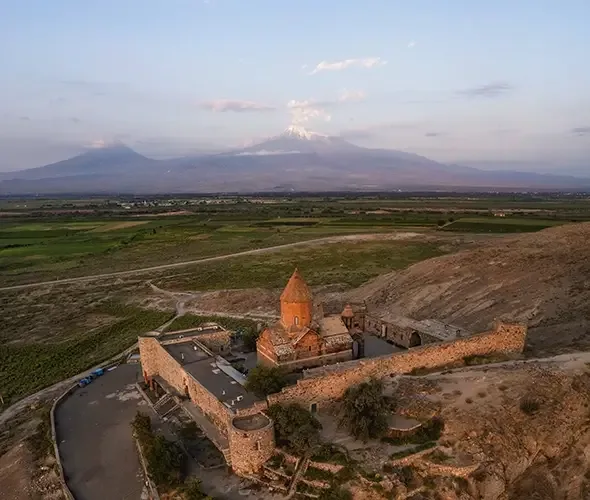
A single wine journey can combine the archaeological heritage of Areni-1 Cave, indigenous grape varieties, high-altitude vineyards, family winemaking traditions, and contemporary producers. Against this backdrop, Vayots Dzor’s reddish cliffs, gorges, and mountain roads give the region’s wine story its own visible geography.
When visiting Vayots Dzor, you do not simply taste the wine. You see the land where the grapes were grown, discover thousands of years of history, and meet the people who continue these traditions today.
It is this continuity between landscape, history, people, and wine that makes Vayots Dzor one of Armenia’s most remarkable wine tourism destinations.

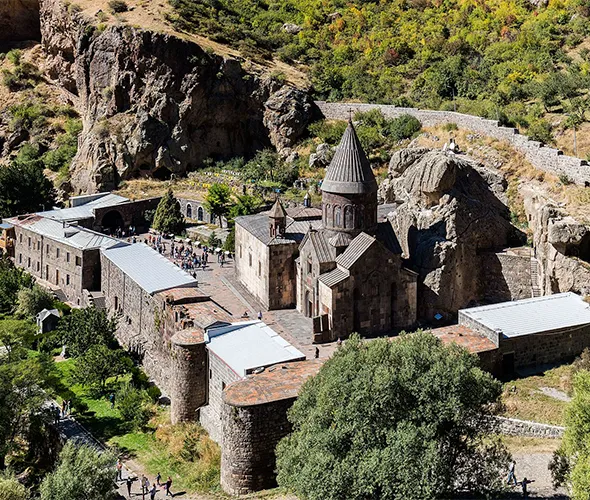
Blog
UNESCO World Heritage Sites in Armenia
UNESCO World Heritage Sites in Armenia Armenia is often described as an open-air museum. Across the country, centuries-old churches, monasteries, and archaeological sites reflec...
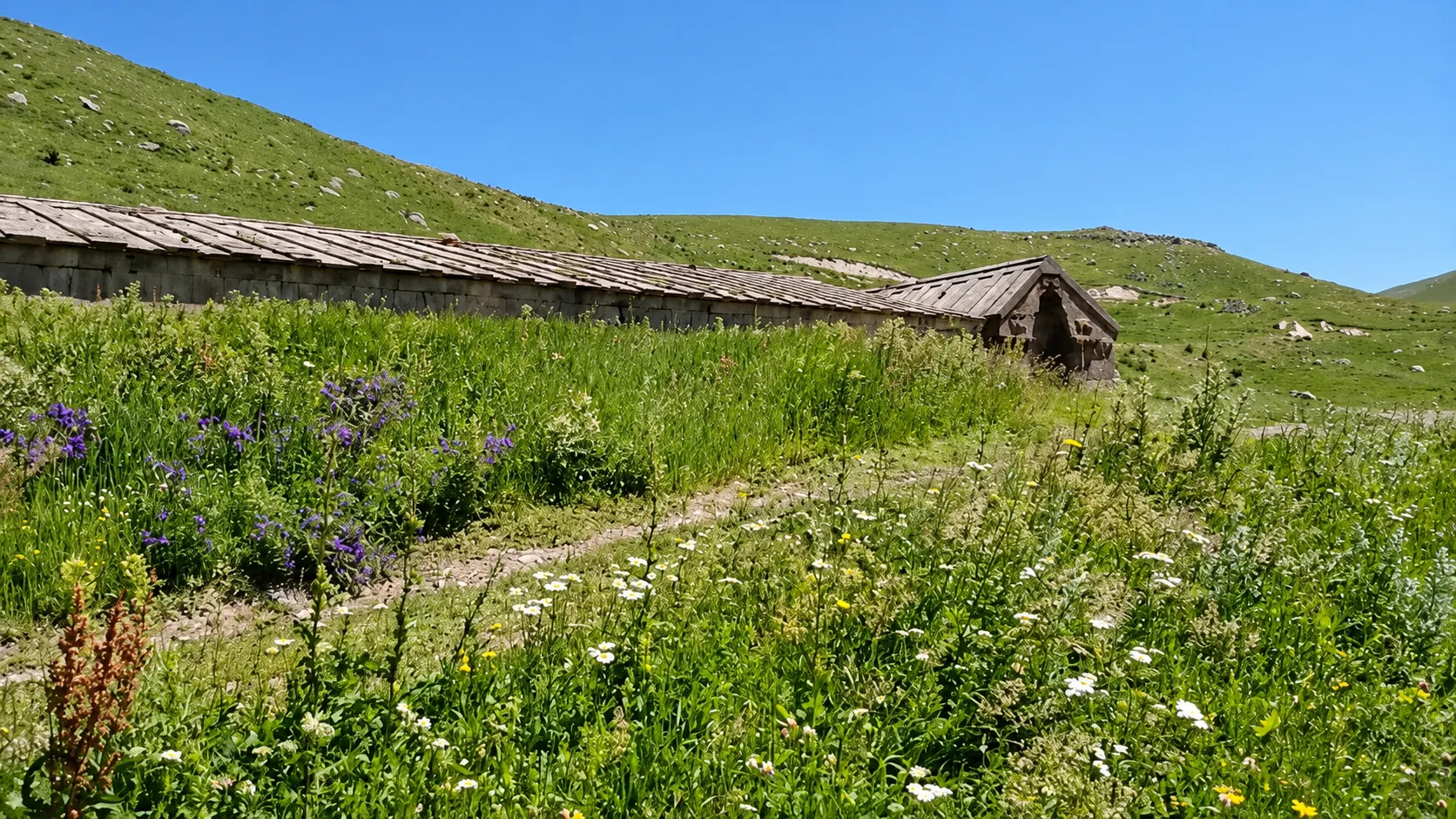
Blog
The Silk Road in Armenia: Where Can You Still See Its Traces?
The Silk Road in Armenia: Where Can You Still See Its Traces? The Silk Road was not a single road but a vast network of trade routes connecting East and West. For centuries, the...
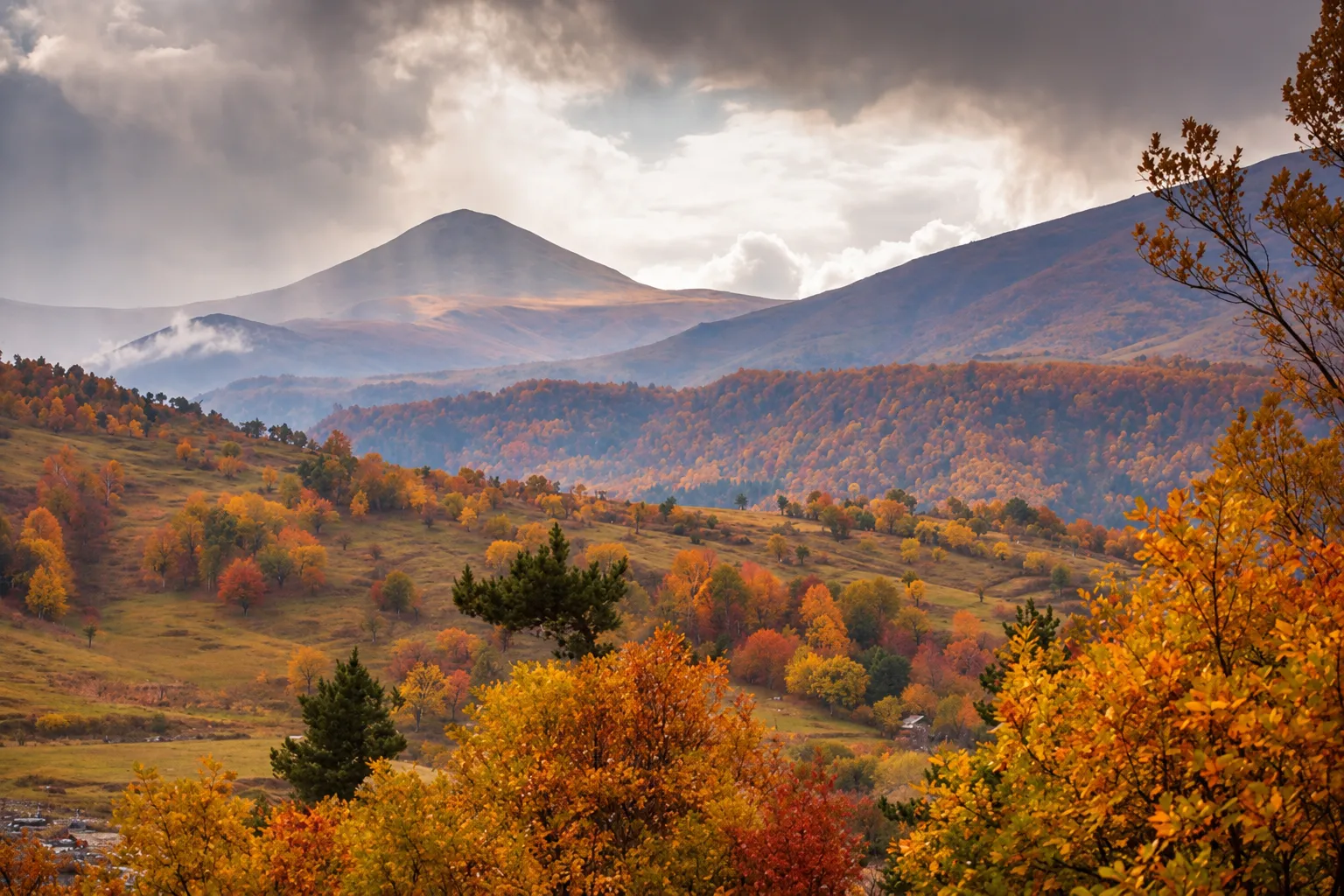
Blog
5 Best Regions to Visit in Armenia in Autumn
5 Regions of Armenia That Are Especially Beautiful in Autumn Tavush: Autumn Forests and Medieval MonasteriesLori: Gorges, Fortresses, and Medieval ArmeniaVayots Dzor: From Viney...