 Հայերեն
 English
 Русский
 Français
 Español
 Deutsch
 Italiano
 العربية
 中文
中文
 हिन्दी
 Polski
Blog
UNESCO World Heritage Sites in Armenia
UNESCO World Heritage Sites in Armenia Armenia is often described as an open-air museum. Across the country, centuries-old churches, monasteries, and archaeological sites reflec...

The Silk Road in Armenia: Where Can You Still See Its Traces?
The Silk Road was not a single road but a vast network of trade routes connecting East and West. For centuries, these routes carried not only silk, spices, precious stones, and other goods, but also ideas, knowledge, cultural traditions, and technologies.
Located between Europe and Asia, the Armenian Highlands were integrated into this trading system during different historical periods. Routes crossing Armenia connected Iran and the Middle East with the Caucasus, the Black Sea basin, and regions farther west.
Today, traces of this history can still be found in medieval caravanserais, bridges, fortresses, ancient cities, and settlements that developed along important trade routes. Orbelian Caravanserai: One of the Most Visible Traces of the Silk Road
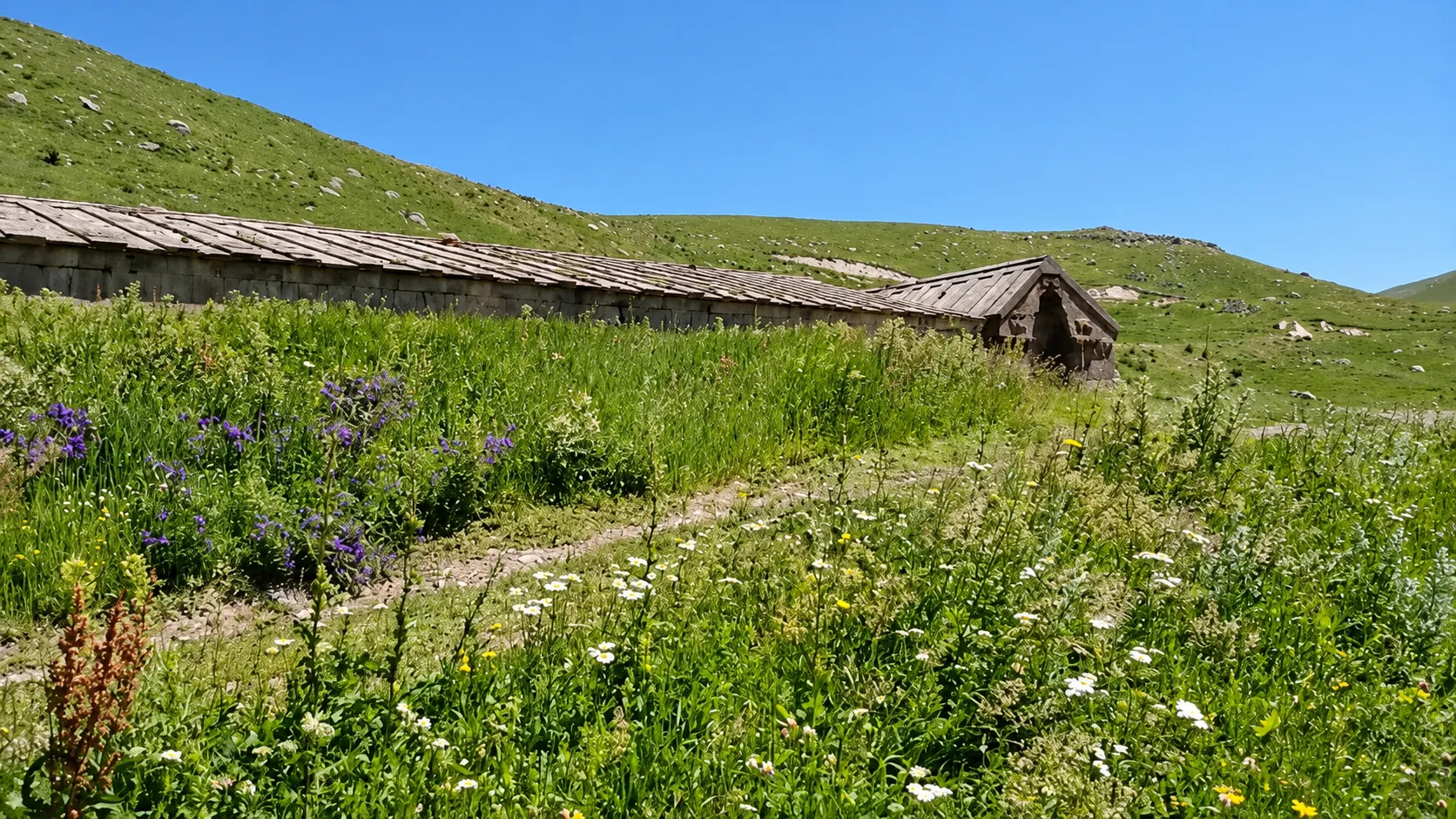
One of Armenia’s most remarkable monuments associated with historical trade routes is the Orbelian Caravanserai, also known as the Selim Caravanserai.
It was built in the 14th century near a mountain pass connecting Vayots Dzor with Gegharkunik. Caravanserais were essential elements of the medieval road network, providing merchants and other travelers with places to rest, spend the night, and shelter their animals.
The Orbelian Caravanserai is particularly valuable because it has survived in relatively good condition, offering visitors a glimpse into the conditions in which merchant caravans traveled hundreds of years ago.
Inscriptions and architectural details preserved around its entrance also tell the story of a period when this mountain route played an important role in regional trade.
Vayots Dzor: An Important Crossroads of Trade Routes
Vayots Dzor is one of the regions of Armenia where the legacy of medieval roads is particularly visible. Its geographical position made it possible to connect Syunik, the Ararat Plain, and routes leading farther south.
Settlements, fortifications, and religious centers developed here alongside the movement of people and goods. In the Middle Ages, roads were not simply channels for transporting merchandise; economic and cultural centers also emerged around them.
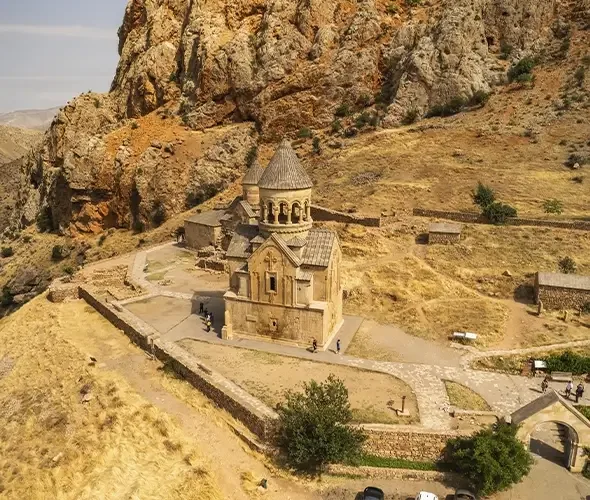
Noravank is particularly significant in this context. Although it was neither a caravanserai nor a commercial center, the monastery stood in a region crossed by important medieval routes and became one of the principal spiritual and cultural centers of the Orbelian princely family during the 13th and 14th centuries.
Areni: A Settlement at the Crossroads of Ancient Routes
Today, Areni is best known for its winemaking traditions, but its historical importance extends much further.
This part of Vayots Dzor has been inhabited for thousands of years, and during the Middle Ages, regional routes connected various economic and political centers. Routes passing through the Areni area provided connections toward Syunik, the Ararat Plain, and regions farther south.
A visit to Areni can therefore be viewed not only as an introduction to Armenian wine culture but also as an encounter with a historical landscape where travelers, merchants, and cultures crossed paths over many centuries.
Dvin: One of Medieval Armenia’s Major Trading Cities
If caravanserais tell us about the journey, ancient cities reveal where those roads brought people and goods.
One such center was Dvin, one of medieval Armenia’s largest cities. At different periods, it served as an important administrative, craft, and commercial center. Its geographical position helped integrate the city into both regional and long-distance trade networks.
The wide variety of artifacts uncovered during archaeological excavations points to Dvin’s extensive economic and cultural connections. Numerous crafts flourished here, marketplaces operated within the city, and merchants arrived from different regions.
Today, the archaeological site of Dvin offers an opportunity to imagine the urban environment that developed around medieval trade networks.
Ani: A Major Center of International Trade
Any discussion of the Silk Road heritage of historical Armenia would be incomplete without Ani.
During the 10th and 11th centuries, the capital of Bagratid Armenia became one of the region’s major economic and commercial centers. Its geographical position connected it with international routes, while crafts and trade flourished within the city.
Goods and merchants from different regions reached Ani. Its massive defensive walls, churches, remains of bridges, and urban structures still testify to the scale and importance the city once possessed.
Today, the ruins of Ani lie outside the present-day borders of Armenia, in the territory of modern Türkiye. Nevertheless, the city remains an important part of the history of medieval Armenian trade and the regional networks associated with the Silk Road.
Why Were Caravanserais So Important?
A medieval journey could last for weeks or even months. Merchants had to cross mountain passes, endure difficult weather conditions, and travel through long stretches of sparsely populated territory.
Under these circumstances, caravanserais were vital elements of the road network.
In a sense, they functioned as medieval “roadside hotels.” Travelers could rest and spend the night, take shelter from bad weather, and keep their cargo and animals in a relatively secure place.
The caravanserais preserved in Armenia allow us to imagine the Silk Road not simply as a line drawn on a historical map, but as the everyday journey of real people.
The Silk Road Was Also a Road of Cultures
The most important legacy of the Silk Road was not limited to trade. Languages, artistic forms, technologies, knowledge, and ideas traveled alongside merchants and other travelers.
Armenia’s geographical position contributed to encounters between eastern and western cultural influences during different periods. At the same time, Armenian culture also spread through these commercial and communication networks.
For this reason, the Silk Road can be understood as a system of cultural exchange across the medieval world—and Armenia was part of that system.
Where Can You See Traces of the Silk Road in Armenia Today?
One of the best routes for discovering this history today runs through Vayots Dzor toward Syunik. Areni, Noravank, the Vardenyats Pass, and the Orbelian Caravanserai allow travelers to encounter different layers of medieval Armenian history within a single journey.
In one place, a shelter built for caravans has survived. Elsewhere, visitors encounter princely and religious centers. The mountain roads connecting them reveal just how difficult—and how important—travel through this region once was.
Complete sections of the historical Silk Road have not survived intact in Armenia. Instead, individual monuments, archaeological sites, and historical landscapes remain, together allowing us to reconstruct the story of these ancient routes.
And perhaps this is the most fascinating way to discover Armenia’s Silk Road heritage: traveling through the same mountains and gorges crossed by caravans centuries ago and finding traces of the medieval world alongside the roads of today.

Blog
UNESCO World Heritage Sites in Armenia
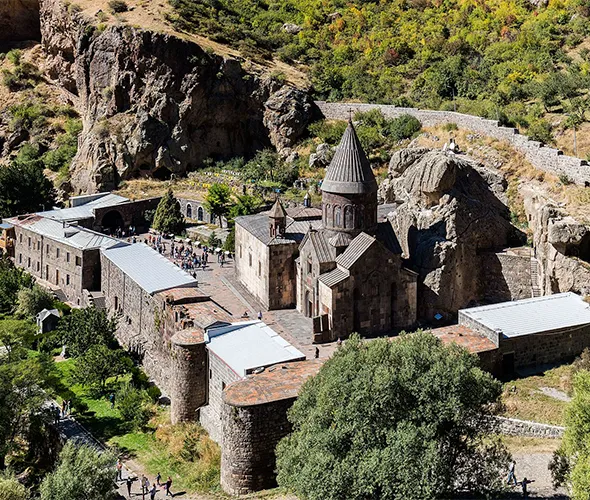
UNESCO World Heritage Sites in Armenia Armenia is often described as an open-air museum. Across the country, centuries-old churches, monasteries, and archaeological sites reflec...
Blog
5 Best Regions to Visit in Armenia in Autumn
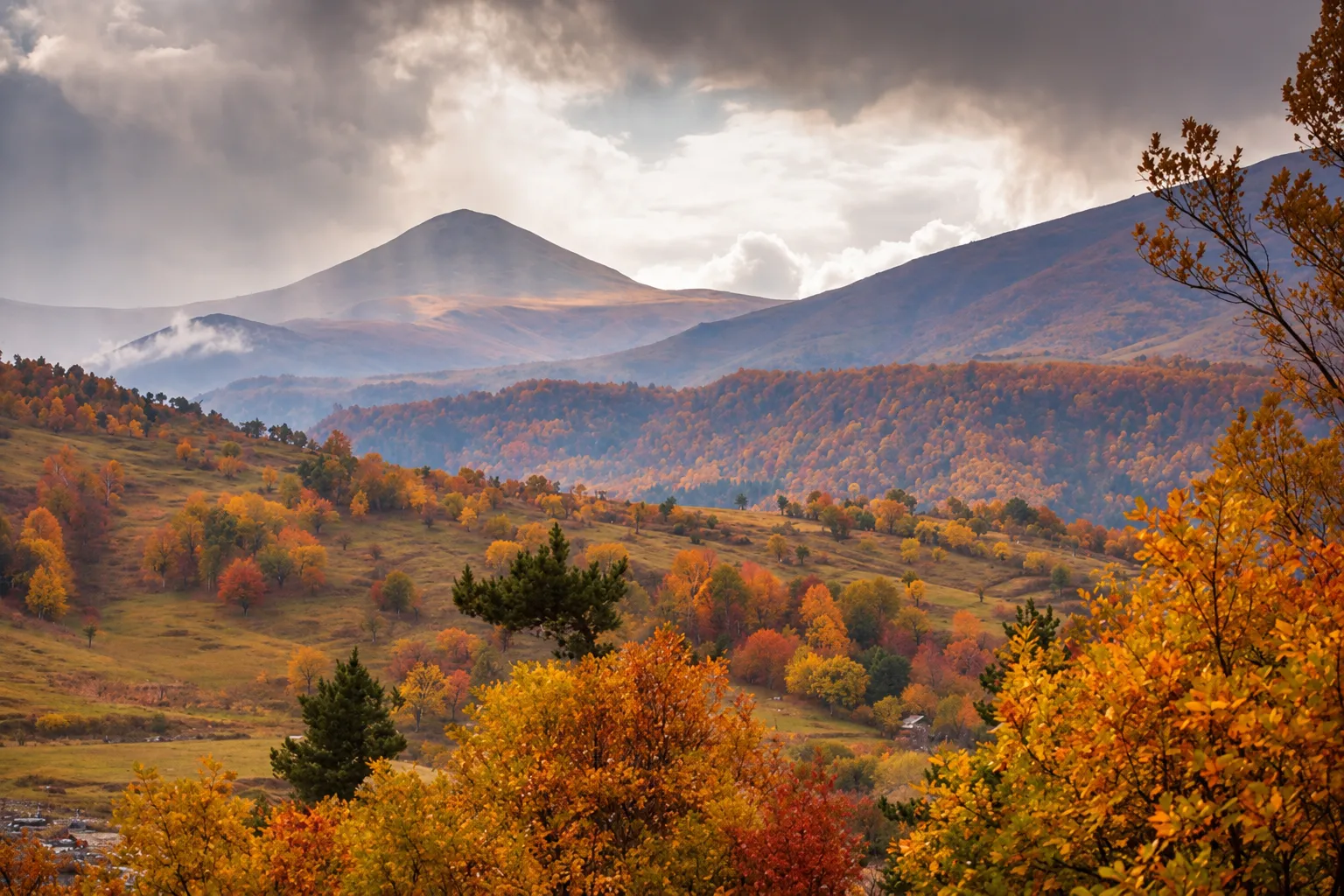
5 Regions of Armenia That Are Especially Beautiful in Autumn Tavush: Autumn Forests and Medieval MonasteriesLori: Gorges, Fortresses, and Medieval ArmeniaVayots Dzor: From Viney...
Blog
Tavush: Why Is It Armenia’s “Green Capital”
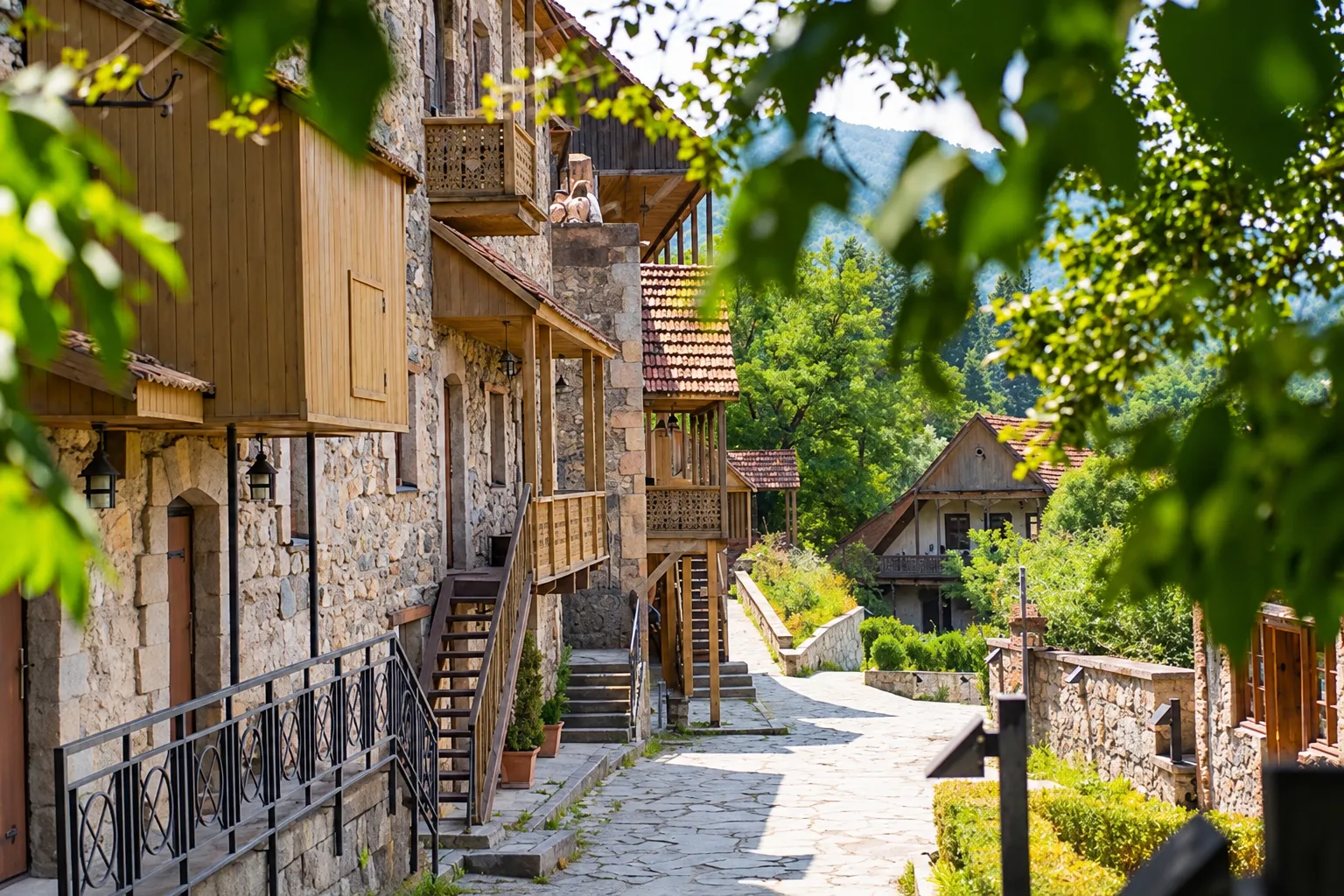
Why Is Tavush Armenia’s “Green Capital” Armenia is often imagined through its rocky mountains, sunlit valleys, and ancient monasteries. But travel to the country’s northeast, an...