 ARM
ARM
 ENG
ENG
 RUS
RUS
 Français
 Español
 German
 Italian
 العربية
 中文
中文
 हिन्दी
Blog
7 Places in Armenia Where Sunset Turns into Art
Armenia is known for its mountains, historical and cultural monuments, and ancient villages, but one unique beauty often remains unnoticed: its sunsets. The mountainous landscap...

Blog



Gastro tourism, also known as culinary tourism, is a branch of tourism focused on exploring the cuisine and culture of a particular region. It involves traveling to taste unique dishes, buy local products, and take part in culinary experiences.
With its rich history, culture, and distinctive cuisine, Armenia is becoming an attractive destination for gastro tourism.
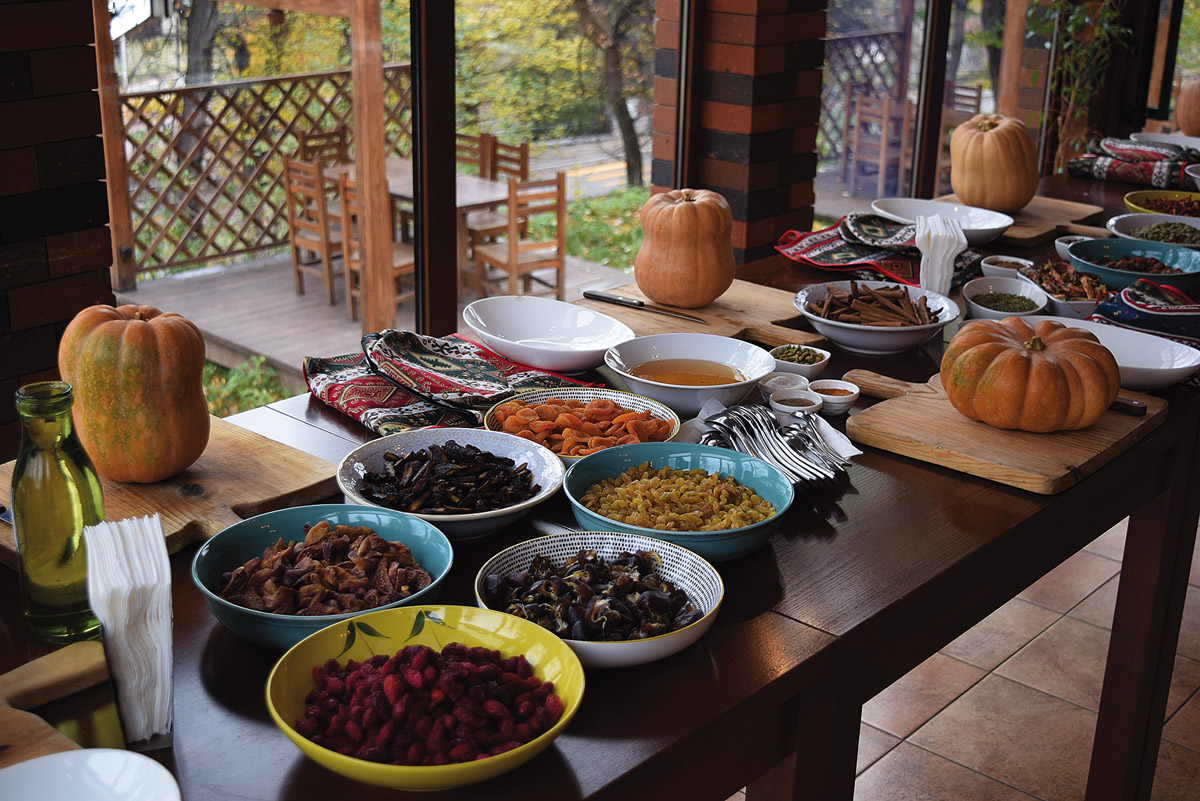
In recent years, gastro tourism in Armenia has been growing rapidly, as visitors are showing increasing interest in the country’s traditional cuisine and local products. Armenian cuisine is known for its diversity, fresh ingredients, and unique flavor combinations. It reflects the country’s history, geography, and cultural heritage.
Gastro yards and wine tourism are among the key directions in the development of gastro tourism. Gastro yards are small family-run projects where visitors can taste local homemade dishes and get acquainted with Armenian rural life.
Wine tourism is also gaining momentum, as Armenia is considered one of the ancient cradles of winemaking, with a history of more than 6,000 years. Visitors can tour wineries, take part in wine tastings, and learn about Armenian winemaking traditions.
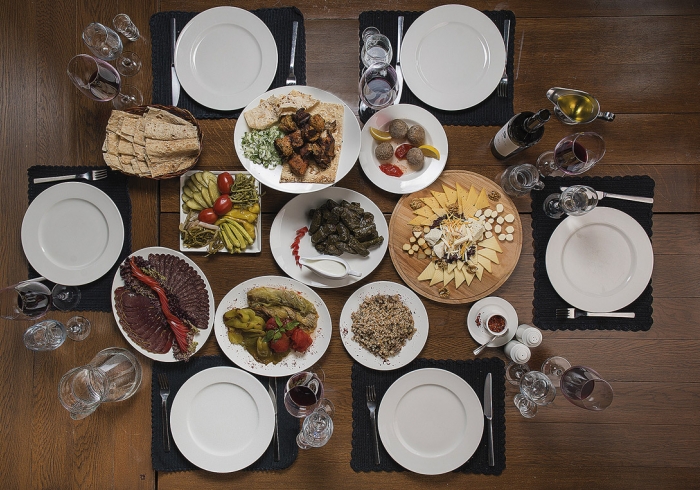
Armenian cuisine is rich in delicious and distinctive dishes. Here are 5 foods you should definitely try when visiting Armenia.
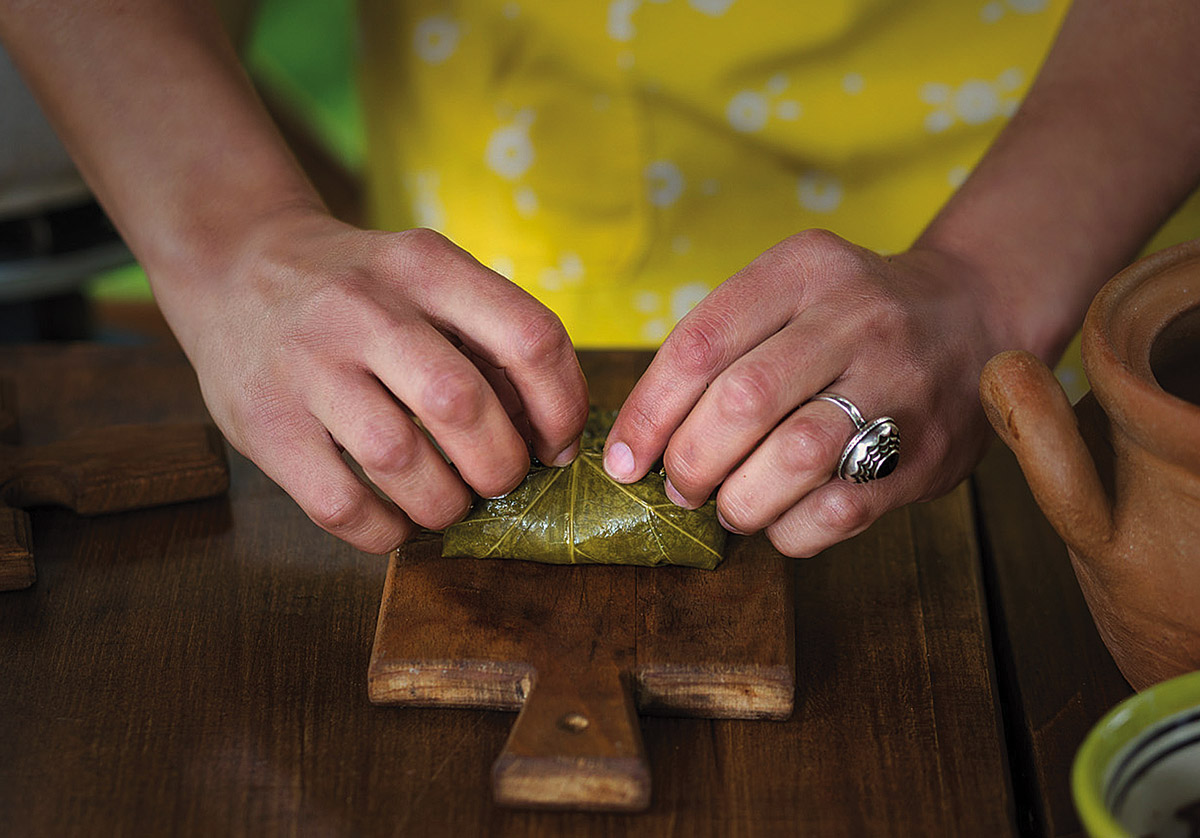
Tolma is one of the oldest and most famous dishes in Armenian cuisine. In Armenian, the name has been used in the forms “tolma” and “dolma.” There are different views on the origin of the word, but linguistic sources note that it was borrowed from the Ottoman word dolma, which is connected with the meaning “to fill.” In Armenian dialects, the form “tolma” has been preserved as an earlier phonetic variant.
The roots of tolma are connected with the agricultural culture of the Armenian Highlands, where grape leaves, cabbage, and meat have long been used. Armenian versions of the dish usually include beef or lamb, rice, and spices.
It is not possible to name one exact place where the dish was created, as it developed across the Armenian Highlands, especially in the regions of Van, Mush, the Ararat Valley, and Syunik. However, in Armenian culinary tradition, tolma is considered a local and centuries-old dish.
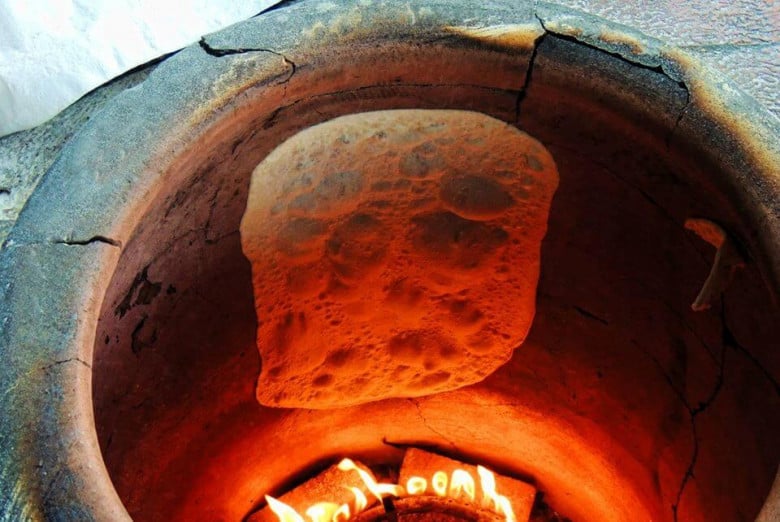
Lavash is a thin Armenian bread made from flour, water, and salt, and baked in a tonir. In 2014, lavash was included in UNESCO’s list of intangible cultural heritage as an Armenian cultural value.
The exact origin of the word “lavash” has not been fully clarified to this day. Linguists note that it is an old Armenian dialect word that later spread into the languages of neighboring peoples, including Persian, Turkish, Georgian, and others.
The Armenian Highlands are considered the place of origin of lavash. For thousands of years, it was the main type of bread in Armenian families. The tradition of baking lavash in a tonir developed especially in the Ararat Valley and in rural settlements of historical Armenia.
In Armenian culture, lavash also has symbolic meaning: during weddings, it is placed on the shoulders of newlyweds as a symbol of prosperity and abundance.
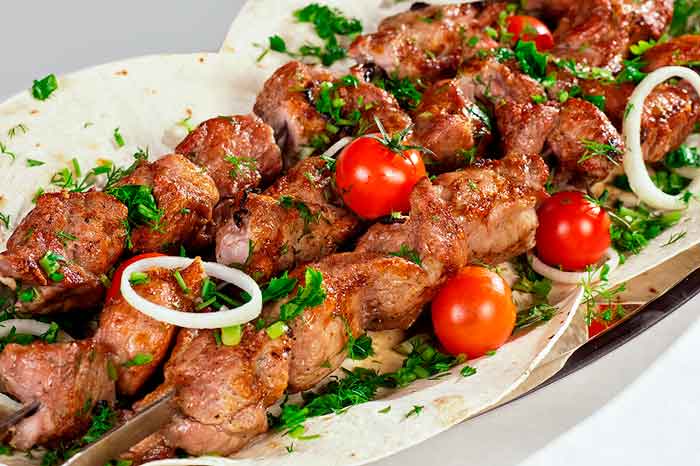
Khorovats is a traditional meat dish in Armenian cuisine, prepared by grilling over fire. The word “khorovats” comes from the Armenian verb “khorovel” and literally means “grilled over fire” or “roasted.”
The culture of khorovats developed in the Armenian Highlands alongside animal husbandry. Since ancient times, Armenians have cooked meat over an open fire, using metal skewers or clay vessels.
One well-known type of Armenian khorovats is “ghazani khorovats,” which is cooked in a pot. It was especially common in the Ararat Valley and the central regions of historical Armenia.
In Armenia, khorovats is not only a dish, but also an important part of hospitality and family gatherings.
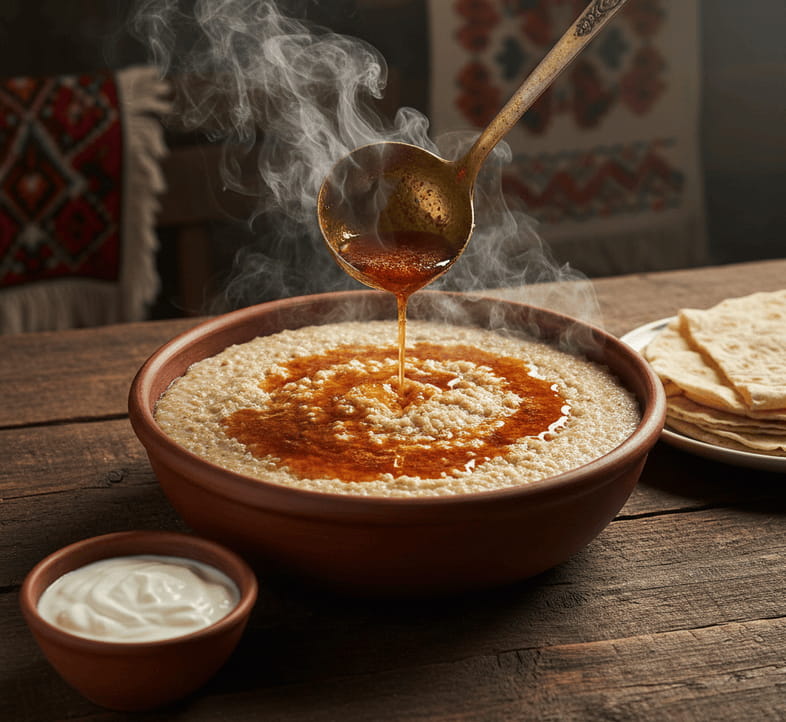
Harissa is an ancient Armenian dish made from dzavar wheat and slowly cooked chicken or lamb. The name “harissa” is associated with the Armenian word “harel,” meaning “to beat” or “to stir,” because the dish is stirred for a long time during cooking until it becomes a smooth, uniform mixture.
The origin of harissa is especially connected with the historical region of Mush, where it was considered a national and ritual dish for centuries. According to tradition, harissa became widespread during the time of Gregory the Illuminator, when food was distributed to the poor and to soldiers.
Harissa was especially important in difficult times, as even a small amount of meat could feed many people. For this reason, it became a symbol of unity, resilience, and mutual support in Armenian culture.
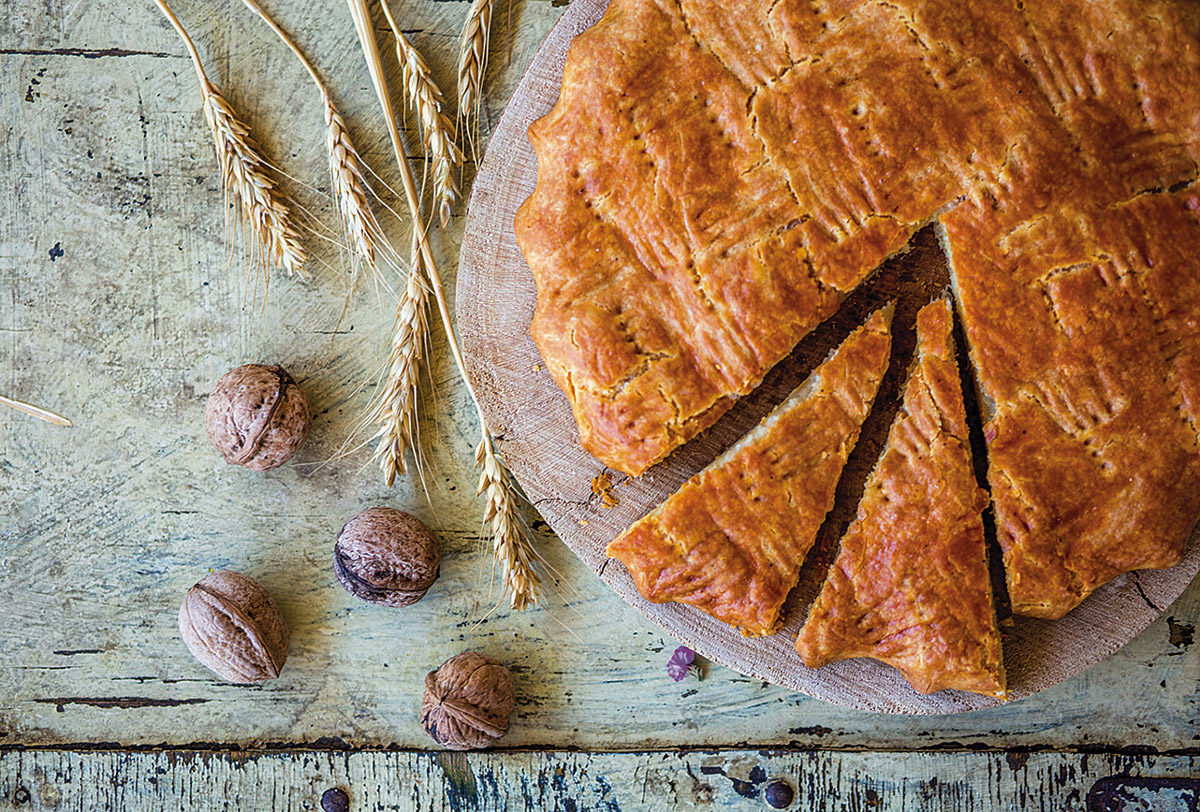
Gata is a traditional Armenian pastry widely enjoyed across Armenia. There is no single agreed-upon explanation for the origin of the name “gata,” but it is considered an old Armenian name. In different regions, the forms “kata” and “gata” can be found.
One of the most famous types is Garni gata, though historically it was also widespread in Van, Alashkert, Mush, and Syunik.
Gata is known for its filling, called khoriz, which is made from flour, butter, and sugar. On festive tables, gata had special meaning and was often associated with luck and prosperity.
In Armenian tradition, a coin was sometimes placed inside the gata, and the person who received the piece with the coin was considered the lucky person of the year.
Blog
7 Places in Armenia Where Sunset Turns into Art
Armenia is known for its mountains, historical and cultural monuments, and ancient villages, but one unique beauty often remains unnoticed: its sunsets. The mountainous landscap...
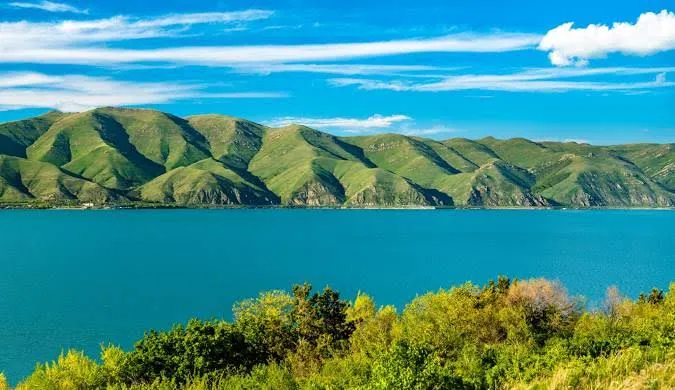
Blog
8 Places in Armenia That Can Easily Be Mistaken for Europe
When it comes to Europe’s beautiful landscapes, mountain villages, and historic towns, many people immediately imagine Switzerland, Austria, Italy, or France. However, few know...
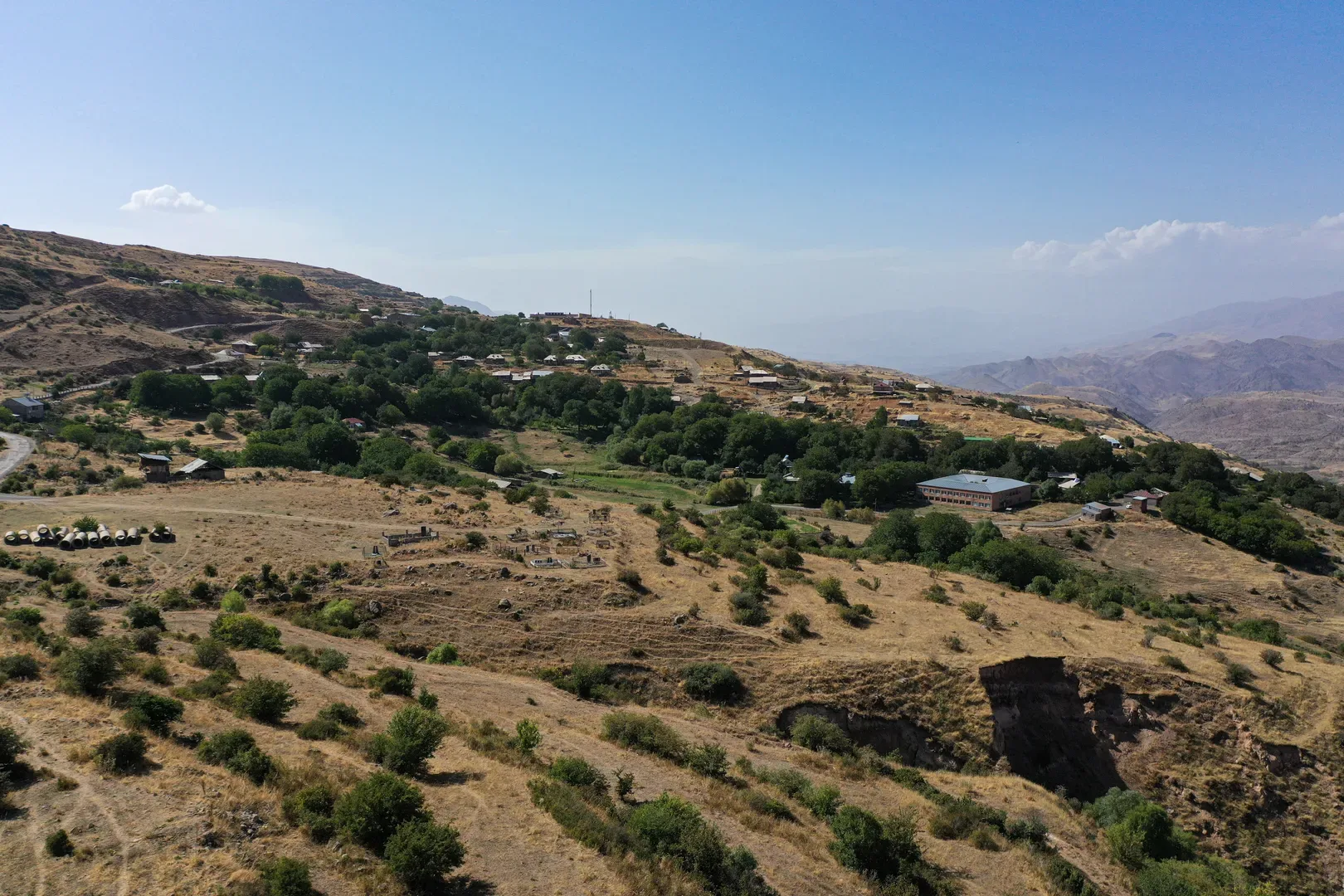
Blog
Abandoned Villages of Armenia: Stories That Continue to Live
Armenia is often presented through its ancient monasteries, mountain landscapes and thousand-year-old history. Yet on the country’s map, there are also dozens of settlements tha...

Contact us
Contact


