 Հայերեն
 English
 Русский
 Français
 Español
 Deutsch
 Italiano
 العربية
 中文
中文
 हिन्दी
 Polski


Blog
UNESCO World Heritage Sites in Armenia
UNESCO World Heritage Sites in Armenia Armenia is often described as an open-air museum. Across the country, centuries-old churches, monasteries, and archaeological sites reflec...

If you have ever traveled to Tatev Monastery, you have probably passed a place that is remarkable both for its appearance and its unusual name. This is Devil’s Bridge, one of Syunik’s best-known natural landmarks, located in the Vorotan Gorge not far from the village of Tatev.
Despite its mysterious name, Devil’s Bridge is a unique geological formation created entirely by nature. Over thousands of years, mineral waters, limestone deposits, and the continuous effects of time shaped this remarkable structure, turning it into one of Armenia’s most impressive natural attractions.

Devil’s Bridge is a natural bridge approximately 30 meters long and up to 60 meters wide, rising about 100 meters above the Vorotan River. Today, the Goris–Tatev road passes over it, yet few travelers realize what kind of hidden world lies beneath.

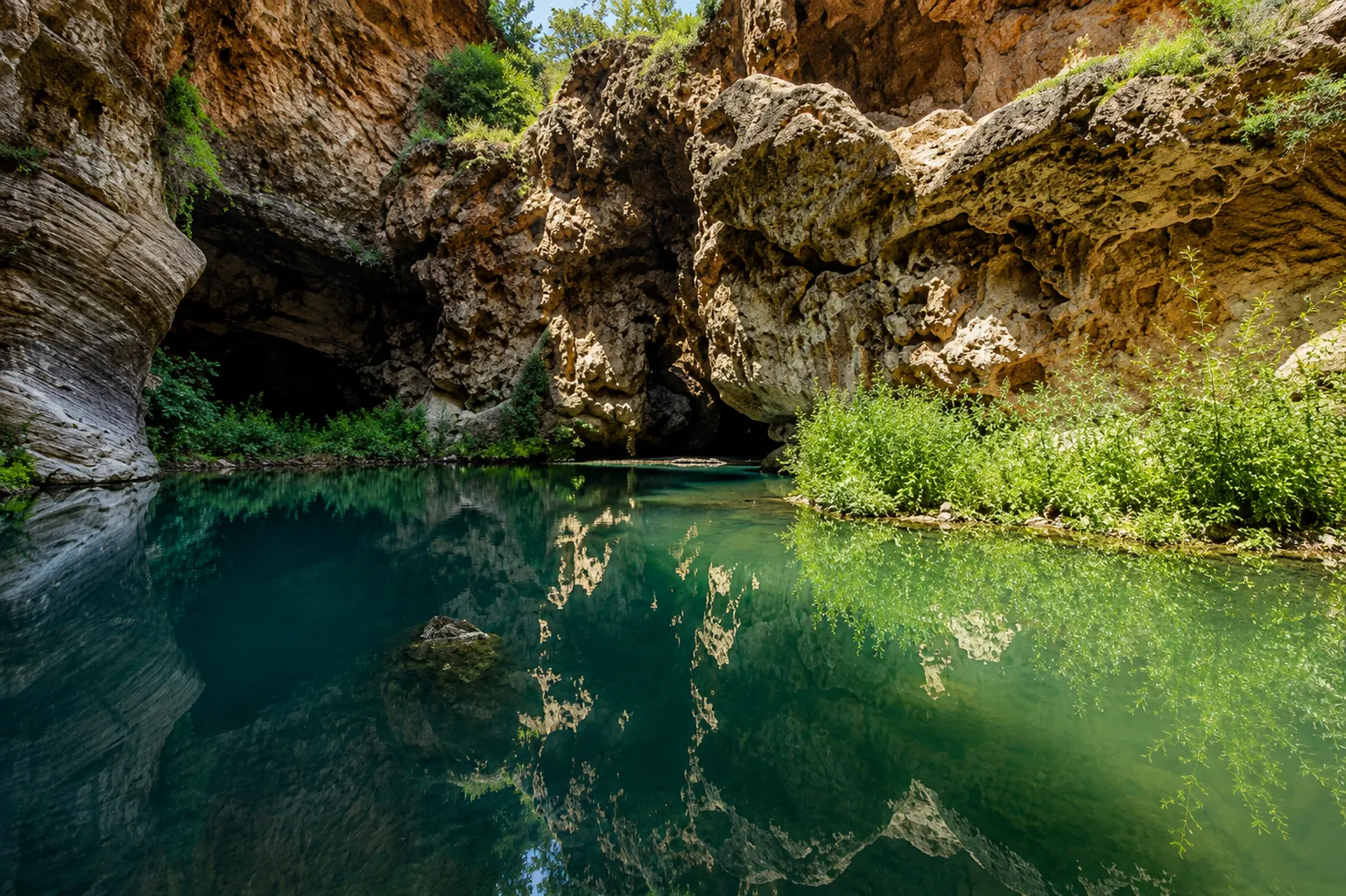
Below the bridge, visitors can see cave-like formations, small waterfalls, mineral springs, and natural pools. The continuous flow of mineral-rich water has created colorful travertine deposits on the rocks, giving the area a distinctive, almost fairytale-like appearance.

Many legends surround the name of Devil’s Bridge. According to one of the most popular stories, the amount of water entering beneath the bridge appears to be smaller than the amount flowing out on the other side. This creates the impression that the river disappears beneath the bridge and mysteriously emerges with a stronger flow.
In reality, there is a scientific explanation for this phenomenon. Numerous mineral springs beneath the bridge flow into the Vorotan River, increasing its volume. This natural process creates the mysterious effect that has inspired countless stories and legends over the centuries.

Devil’s Bridge is a natural travertine formation. Over thousands of years, mineral-rich waters deposited layers of material along both sides of the gorge. Gradually, these layers became thicker, eventually joining together and forming a natural bridge, while the Vorotan River continued to flow underneath.
This process continued for centuries, and the massive stone structure visible today is the result of nature’s slow and continuous work.
The mineral springs beneath the bridge have long been known for their warm waters. The average water temperature is around 25°C, and the springs continuously feed into the Vorotan River. For centuries, local people have considered these waters beneficial and have traditionally used them for various health-related purposes.
This feature is one of the reasons why Devil’s Bridge is not simply a natural monument but an entire natural complex with its own distinctive geological and hydrological characteristics.

Devil’s Bridge has also played an important role throughout the history of Syunik. The deep Vorotan Gorge served as a natural defensive barrier, while the road passing through this area was one of the region’s important connecting routes. The area is also mentioned in connection with events surrounding the liberation struggle led by Garegin Nzhdeh.
Devil’s Bridge is one of those places where nature and history come together. Here, you can witness the results of geological processes that have unfolded over an immense period of time, discover mineral springs, hear the legends associated with the site, and enjoy the dramatic scenery of the Vorotan Gorge.

If your journey through Syunik includes Tatev Monastery, make sure to set aside some time for Devil’s Bridge as well. Photographs can capture only part of its beauty. The true impression comes from being there in person—experiencing the depth of the gorge, hearing the sound of the water, and seeing this extraordinary creation of nature with your own eyes.
Blog
UNESCO World Heritage Sites in Armenia
UNESCO World Heritage Sites in Armenia Armenia is often described as an open-air museum. Across the country, centuries-old churches, monasteries, and archaeological sites reflec...
Blog
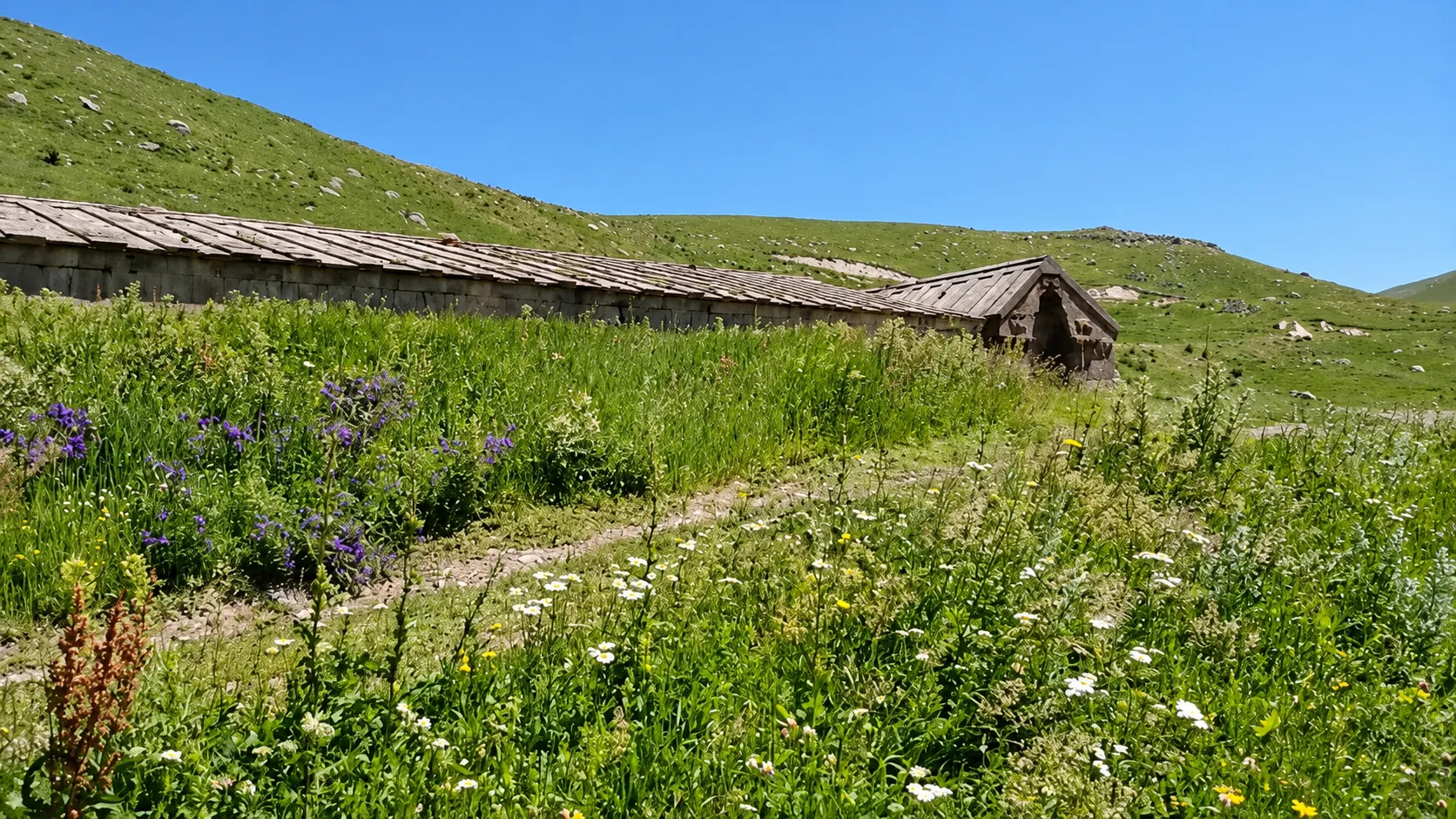
The Silk Road in Armenia: Where Can You Still See Its Traces?
The Silk Road in Armenia: Where Can You Still See Its Traces? The Silk Road was not a single road but a vast network of trade routes connecting East and West. For centuries, the...
Blog
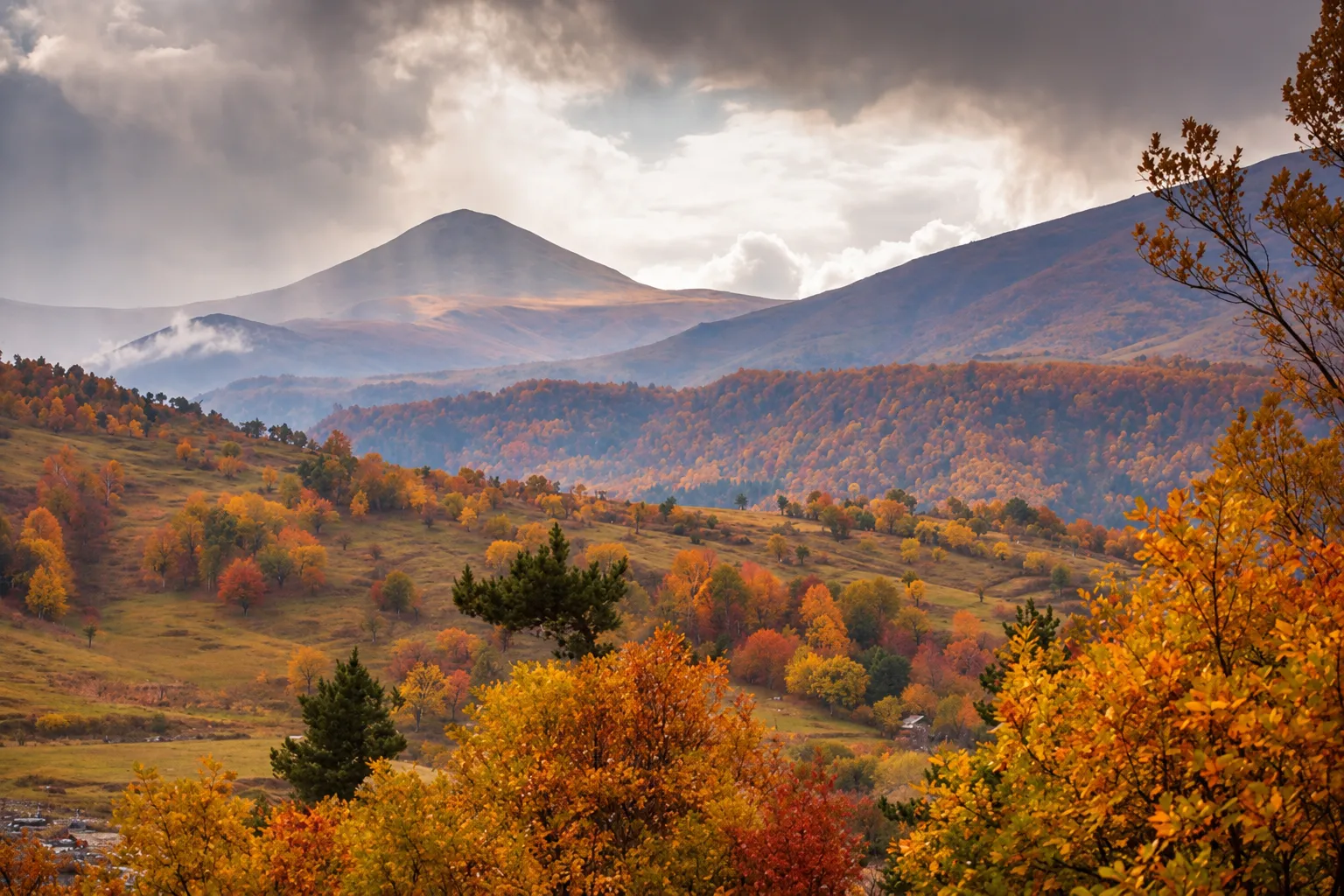
5 Best Regions to Visit in Armenia in Autumn
5 Regions of Armenia That Are Especially Beautiful in Autumn Tavush: Autumn Forests and Medieval MonasteriesLori: Gorges, Fortresses, and Medieval ArmeniaVayots Dzor: From Viney...