 Հայերեն
 English
 Русский
 Français
 Español
 Deutsch
 Italiano
 العربية
 中文
中文
 हिन्दी
 Polski
Blog
UNESCO World Heritage Sites in Armenia
UNESCO World Heritage Sites in Armenia Armenia is often described as an open-air museum. Across the country, centuries-old churches, monasteries, and archaeological sites reflec...

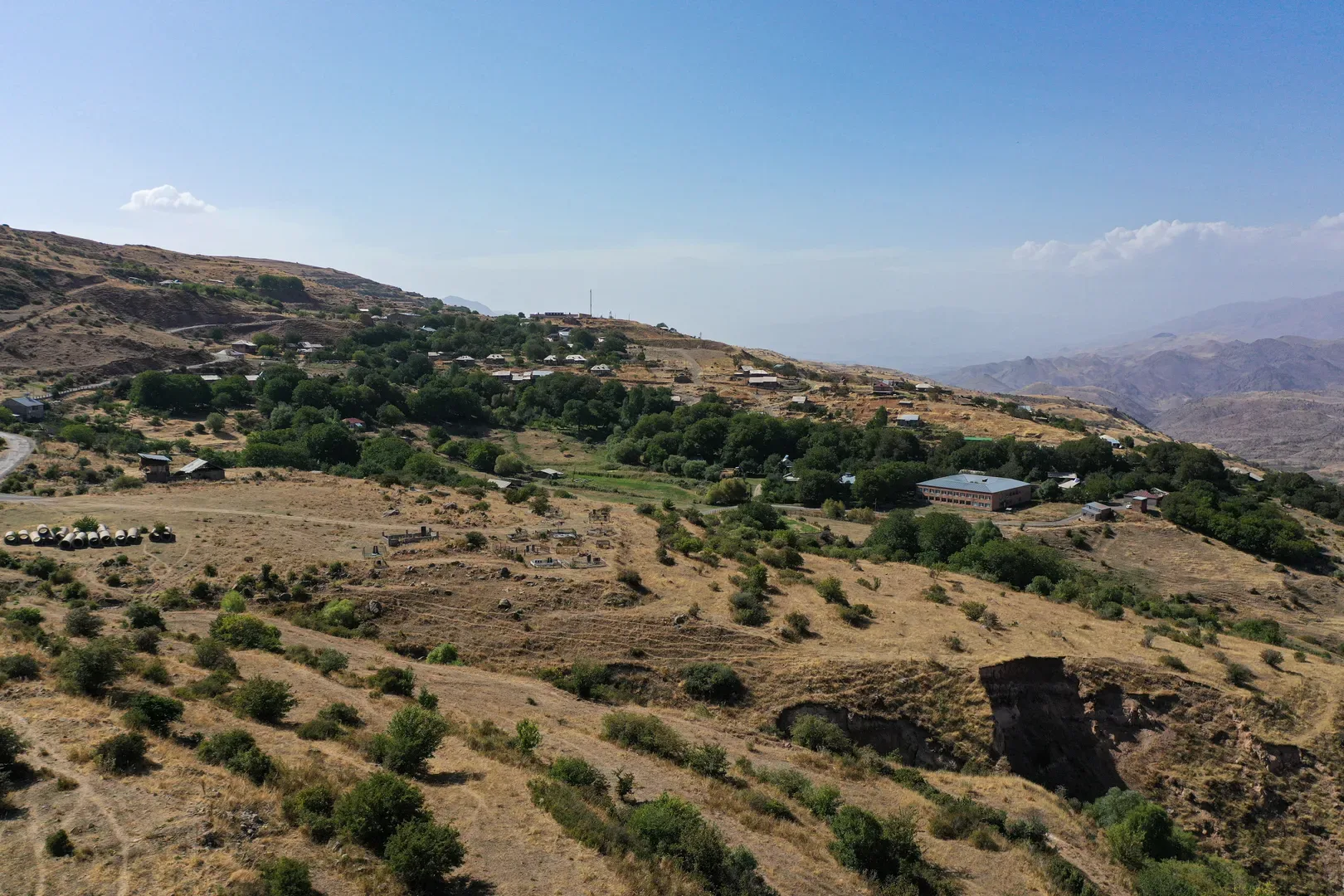
Armenia is often presented through its ancient monasteries, mountain landscapes and thousand-year-old history. Yet on the country’s map, there are also dozens of settlements that gradually emptied over time, lost their residents and turned into silent witnesses of the past. These abandoned villages are not only interesting travel destinations, but also an important part of historical memory.
Why were the villages abandoned?
The reasons behind the abandonment of villages in Armenia have varied. Some settlements were emptied as a result of natural disasters, while others were affected by economic hardship, a lack of jobs, or emigration. There are also villages whose fate was shaped by border tensions and regional conflicts. During the Soviet period, many villages developed thanks to collective farms and state farms. After the collapse of the USSR, the disappearance of these systems became a serious blow to some communities. If a village had no other economic foundation, residents began moving to cities or abroad.
Gomk: a village turned into a historical monument
Gomk, located in the Vayots Dzor Province, is one of Armenia’s most interesting semi-abandoned villages. Over the years, its population has sharply declined, yet old houses, stone-built structures, and traces of medieval culture have been preserved within the village area. Visitors to Gomk often say that time seems to have stopped here. On the walls of abandoned houses, it is still possible to see traces of the former residents’ lives: old doors, windows, and sometimes even household items. The mountains and gorges surrounding the village add an extra sense of mystery to the area.

Old Khot: memory preserved among the stones
Old Khot, located in the Syunik Province, is considered one of Armenia’s most impressive historical settlements. The village was built on the edge of a deep gorge, and part of its population later moved to a more convenient location. Today, the ruins of Old Khot resemble a natural fortress. The stone houses, which in some places are literally merged with the rocks, tell the story of people who lived for centuries in hard-to-reach conditions. According to local stories, the settlement’s unique location also had defensive significance in the past.

Old Shinuhayr: a corner where time has stopped
Another interesting place in Syunik is Old Shinuhayr. After the construction of the new settlement, the old section gradually became empty. Here, visitors can see the ruins of stone-built houses, old roads, and many traces of rural life. Old Shinuhayr is especially attractive for lovers of history and photography. The landscape of the area and the appearance of the ruins create a unique atmosphere that is difficult to find elsewhere in Armenia.
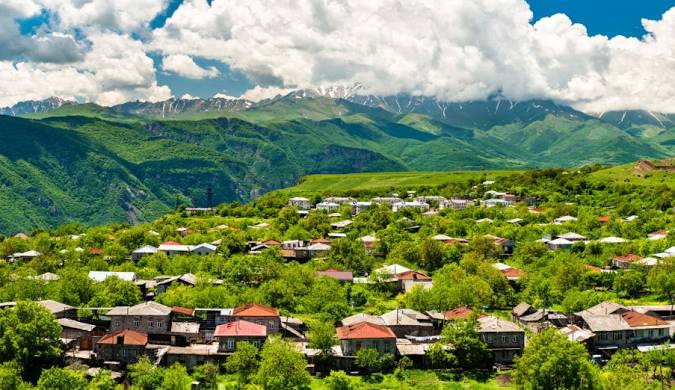
The old settlement of Zovuni
When the Aparan Reservoir was created, several settlements faced a new reality. The residents of Old Zovuni moved elsewhere, while part of the former settlement remained underwater or in the surrounding areas. Today, some preserved structures and local stories remind visitors of the old settlement. These stories are important because they show how large infrastructure projects can change the fate of entire communities.

Abandoned villages as a travel destination
In recent years, interest in “dark” or historical tourism has been growing around the world. People want to see not only famous landmarks, but also places that tell stories of human destinies, change, and the influence of time. Armenia’s abandoned villages are exactly such places. They offer an opportunity to understand different stages of the country’s history, discover local legends and see how nature gradually reclaims its space. Armenia’s abandoned villages are not simply empty houses and ruins. They are living testimonies to people’s lives, work, struggles, and hopes. Every stone, every half-ruined wall, and every street left in silence has its own story.
When we visit such places, we not only discover Armenia’s lesser-known corners but also gain a deeper understanding of the people who once called these places home.
Blog
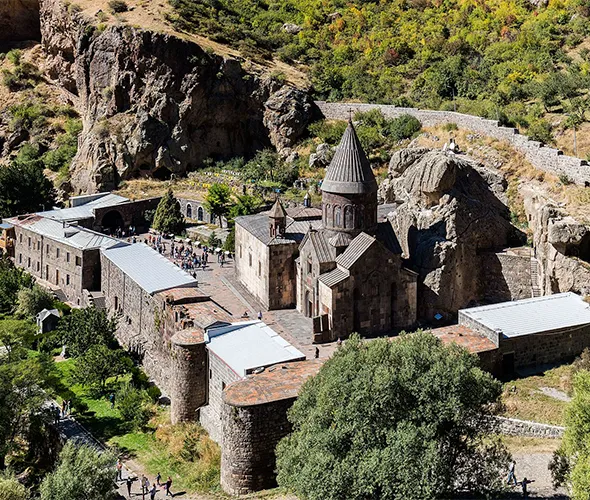
UNESCO World Heritage Sites in Armenia
UNESCO World Heritage Sites in Armenia Armenia is often described as an open-air museum. Across the country, centuries-old churches, monasteries, and archaeological sites reflec...
Blog
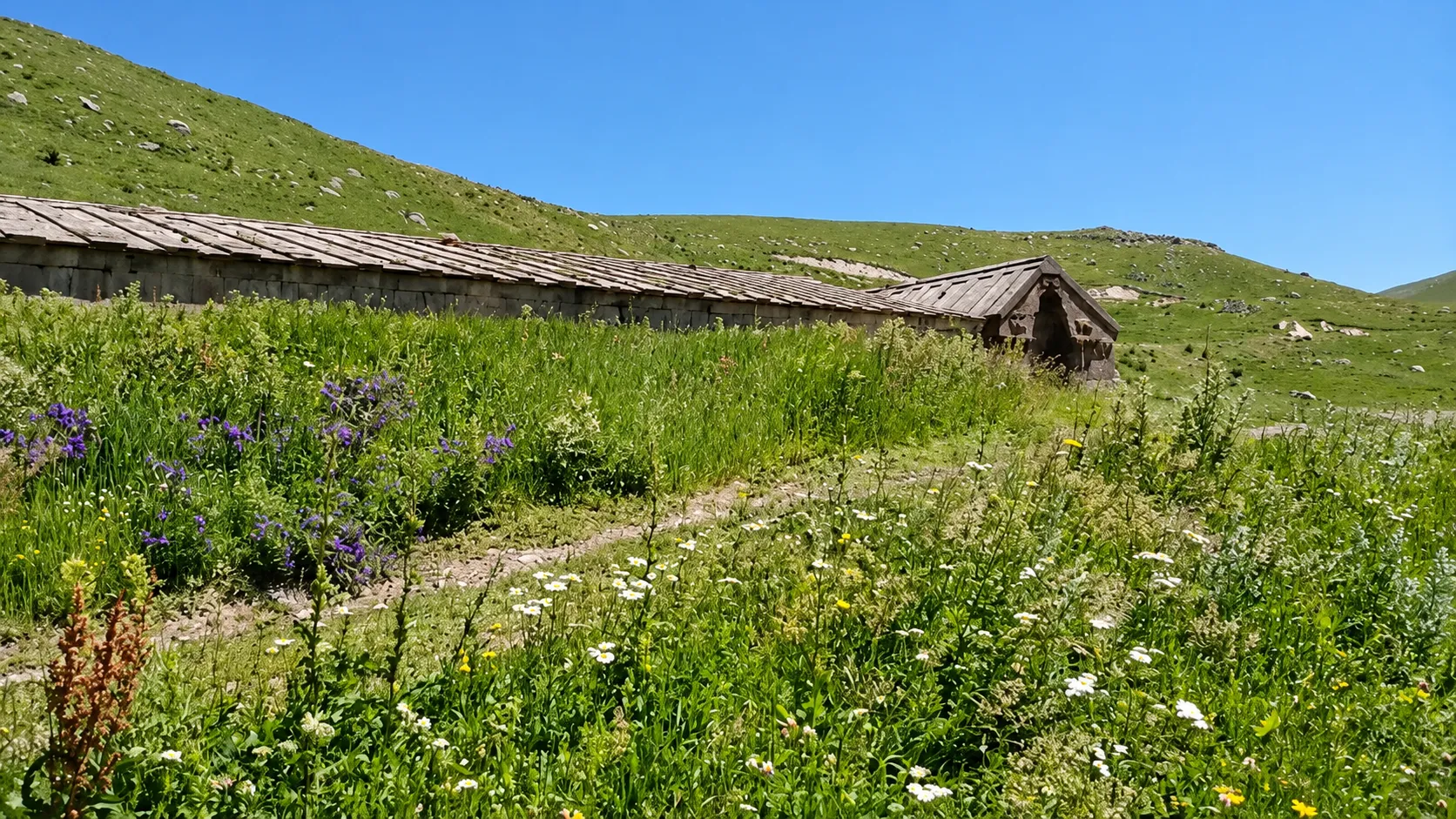
The Silk Road in Armenia: Where Can You Still See Its Traces?
The Silk Road in Armenia: Where Can You Still See Its Traces? The Silk Road was not a single road but a vast network of trade routes connecting East and West. For centuries, the...
Blog
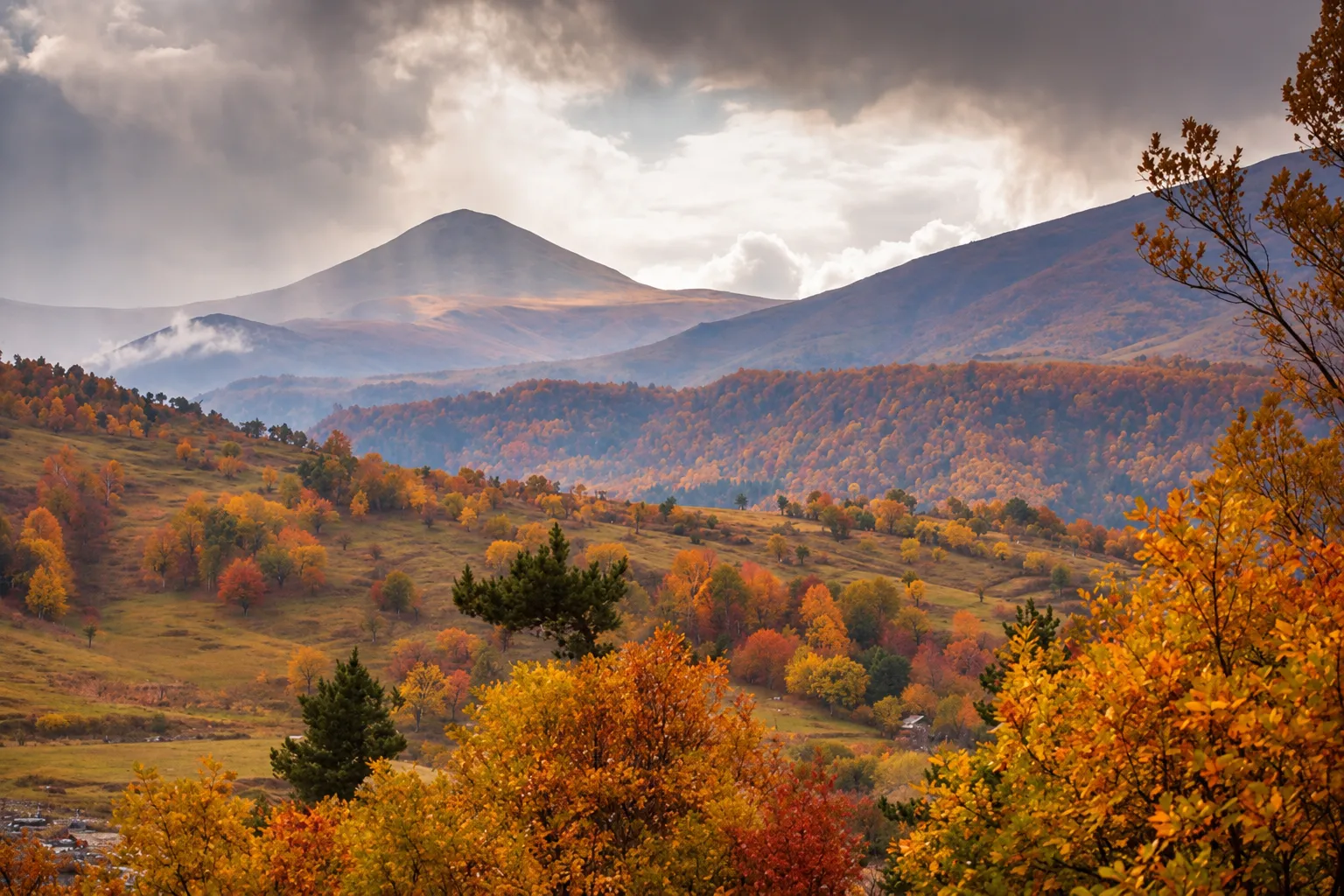
5 Best Regions to Visit in Armenia in Autumn
5 Regions of Armenia That Are Especially Beautiful in Autumn Tavush: Autumn Forests and Medieval MonasteriesLori: Gorges, Fortresses, and Medieval ArmeniaVayots Dzor: From Viney...